
Selecting the right commercial roofing material is one of the most important decisions a business owner can make when protecting their property. A commercial roof must do more than keep rain out. It needs to withstand changing weather conditions, support energy efficiency goals, minimize maintenance costs, and provide long-term protection for valuable equipment, inventory, and employees.
With many options available, including metal roofing, TPO, EPDM, PVC, and modified bitumen systems, choosing the best material depends on factors such as building design, climate, budget, and long-term performance expectations.
The wrong roofing choice can lead to premature deterioration, frequent repairs, and unexpected operating expenses. Working with an experienced roofing professional can help ensure your commercial building receives a system designed for its specific needs. If you are considering a new roof installation or replacement, scheduling a professional commercial roof inspection is the first step toward making an informed decision.
Property owners can also review Maze Roofing’s full range of commercial roofing services when planning repairs, maintenance, or a complete roof replacement.
Key Takeaways
- Material Selection Affects Longevity: Different commercial roofing systems offer varying levels of durability, maintenance requirements, and expected lifespan.
- Climate Matters: Weather conditions, including heat, rain, wind, and temperature changes, influence which roofing materials perform best.
- Energy Efficiency Can Reduce Costs: Some roofing materials help improve insulation and reflect heat, lowering building energy demands.
- Professional Installation Is Essential: Even high-quality materials can fail if they are installed incorrectly.
- Routine Maintenance Extends Roof Life: Regular inspections and repairs help maximize the performance of commercial roofing systems.
Why Choosing the Right Commercial Roof Material Matters
Commercial buildings often have larger roof areas and more complex designs than residential properties. Because of this, roofing decisions can have a significant impact on maintenance expenses, building operations, and overall property value.
A properly selected commercial roofing system can help:
- Protect interior assets from water damage
- Improve building energy performance
- Reduce repair frequency
- Handle local weather conditions
- Extend the roof’s service life
According to the U.S. Department of Energy, roofing materials and building envelope choices can influence energy performance by affecting heat transfer and indoor temperature control.
Choosing a commercial roof should be viewed as a long-term investment rather than simply an upfront construction expense.
Businesses can review completed Maze Roofing projects to see examples of roofing work across different property types and roofing applications.
Popular Commercial Roofing Materials Explained
Different commercial roofing systems are designed for different building requirements. Understanding the benefits and limitations of each option can help property owners make better decisions.
TPO Roofing
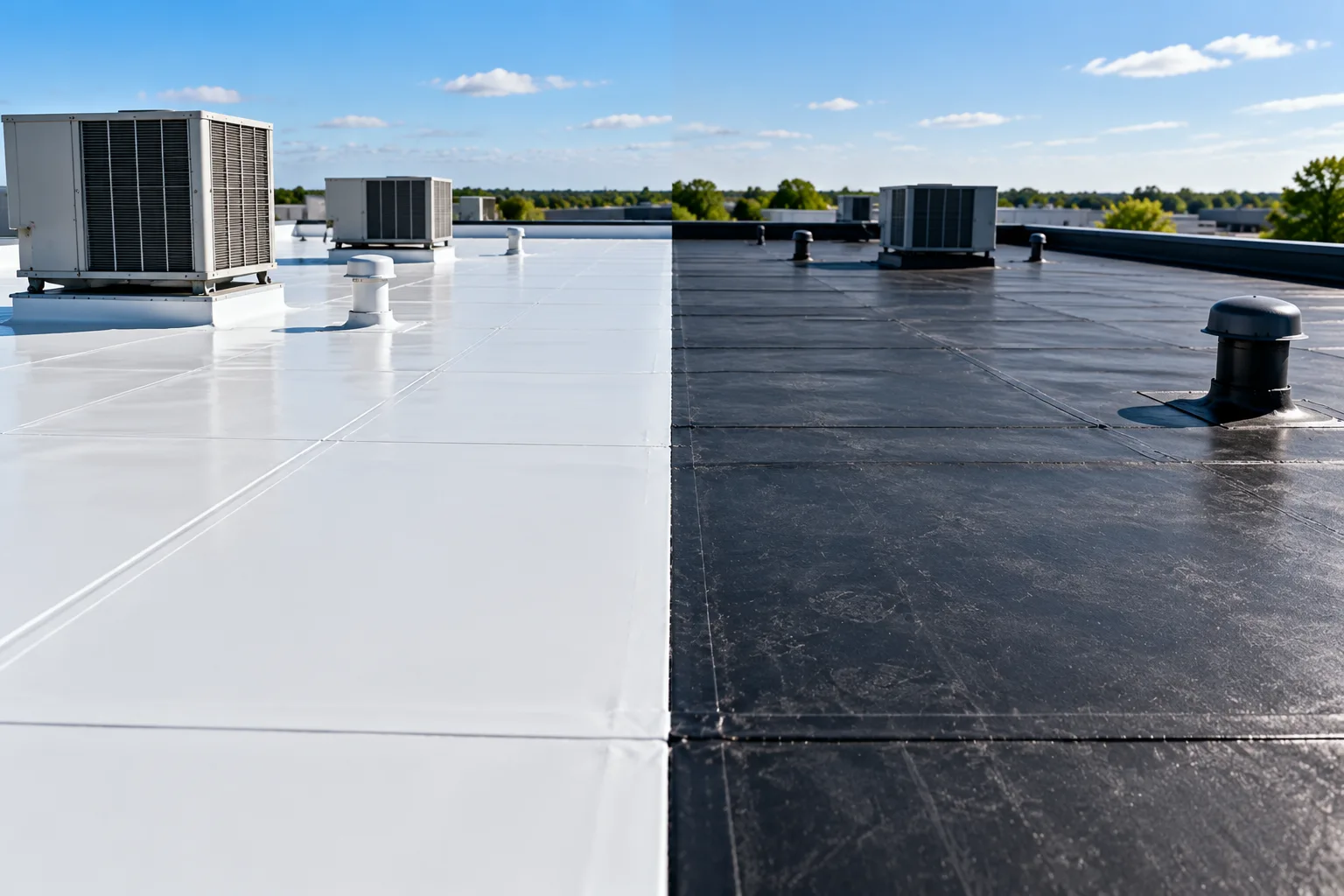
Thermoplastic Polyolefin (TPO) is one of the most widely used commercial roofing materials because of its durability, flexibility, and energy-efficient properties.
Benefits include:
- Strong resistance to UV exposure
- Reflective surfaces that help reduce heat absorption
- Resistance to punctures and weathering
- Relatively low maintenance requirements
TPO roofing is commonly installed on flat or low-slope commercial buildings and can provide reliable protection when professionally installed.
EPDM Roofing
EPDM, also known as rubber roofing, has been used in commercial applications for decades. This durable membrane system is valued for its flexibility and resistance to weather conditions.
Advantages include:
- Excellent durability
- Resistance to temperature changes
- Easy maintenance
- Long service life
EPDM is often selected for commercial buildings requiring a dependable low-slope roofing solution.
Metal Roofing
Metal roofing systems are known for their strength, longevity, and ability to withstand harsh weather conditions. They are available in materials such as steel, aluminum, and coated metal panels.
Benefits include:
- Long lifespan
- Strong wind resistance
- Low maintenance needs
- Modern appearance
Metal roofing can be a strong choice for commercial properties looking for long-term durability and performance.
PVC Roofing
PVC roofing is another single-ply membrane option commonly used in commercial applications. It offers strong resistance against moisture, chemicals, and environmental exposure.
Key benefits include:
- Waterproof membrane protection
- Heat-reflective properties
- Resistance to chemical exposure
- Durable seams when properly installed
PVC systems are often considered for buildings where additional resistance to environmental factors is important.
Modified Bitumen Roofing
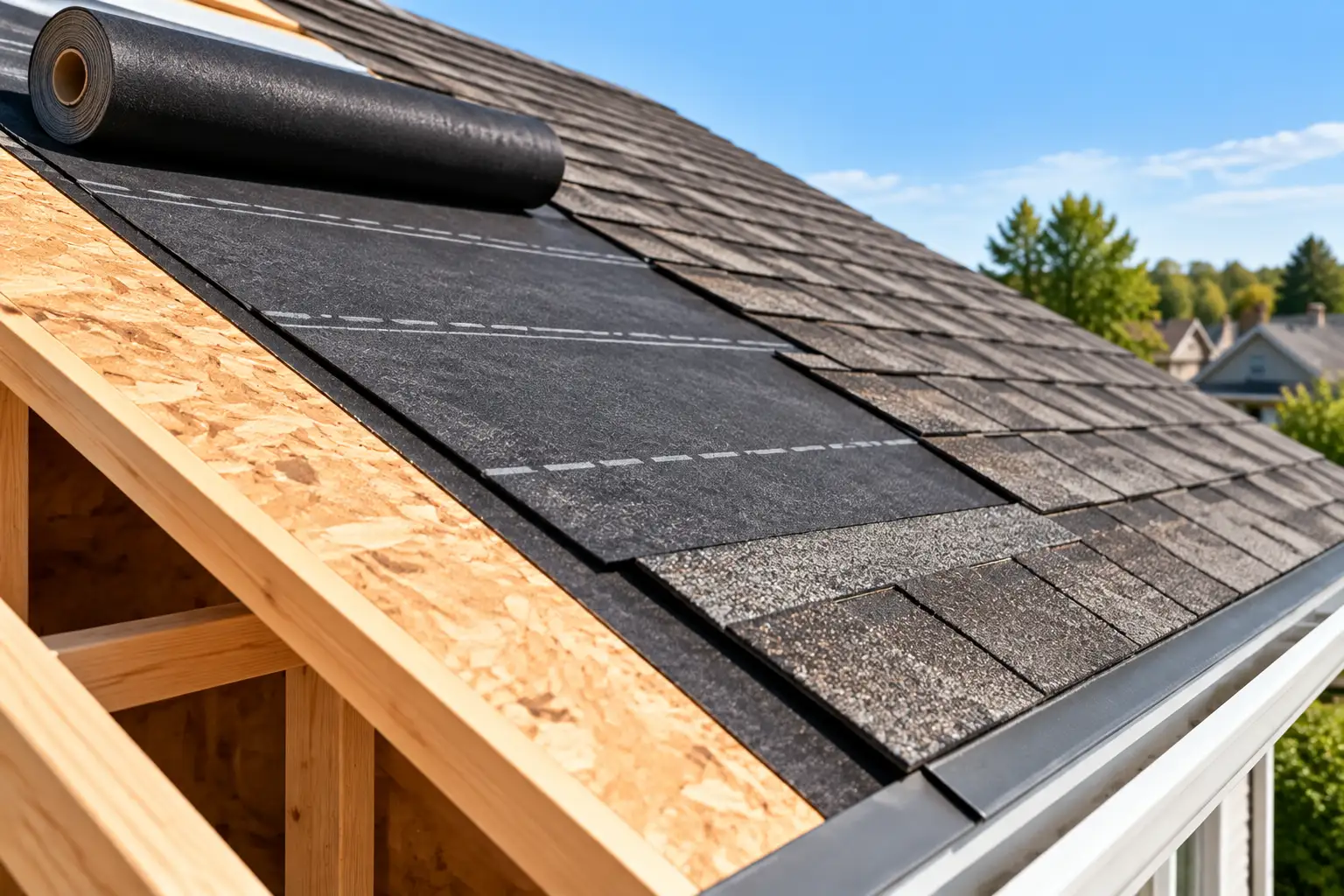
Modified bitumen roofing combines traditional asphalt roofing technology with modern reinforcement materials. It is often installed in multiple layers to create a durable waterproof barrier.
Benefits include:
- Strong waterproofing capabilities
- Good durability
- Multiple installation options
- Suitable for many commercial buildings
Factors to Consider Before Choosing a Commercial Roof Material
Building Design and Roof Structure
The design of your building influences which roofing materials are suitable. Flat roofs, low-slope roofs, and steep commercial roofs may require different systems.
A roofing professional can evaluate your current structure and recommend materials compatible with the building design.
Learning more about Maze Roofing can also help property owners understand the company’s approach to roofing inspections, installations, and long-term roof performance.
Local Weather Conditions
Climate plays a major role in roofing performance.
Consider:
- Heavy rainfall
- High winds
- Extreme temperatures
- Sun exposure
- Storm activity
A material that performs well in one region may not provide the same benefits in another environment.
Commercial property owners can review Maze Roofing’s service areas to see where professional roofing services are available.
Installation and Maintenance Requirements
Some roofing systems require more specialized installation or maintenance than others. Understanding these requirements helps prevent unexpected costs after installation.
Long-Term Cost vs. Initial Price
The least expensive option upfront is not always the most cost-effective choice. A durable material with a longer lifespan may provide better value over time by reducing repair and replacement expenses.
Commercial Roofing Material Comparison
| Roofing Material | Average Lifespan | Main Benefits | Common Applications |
| TPO | 20–30 years | Energy efficiency and durability | Offices, warehouses, retail buildings |
| EPDM | 20–30 years | Flexible and weather-resistant | Low-slope commercial roofs |
| Metal | 40–70+ years | Long lifespan and strength | Industrial and commercial properties |
| PVC | 20–30 years | Waterproof and chemical resistant | Restaurants and commercial facilities |
| Modified Bitumen | 15–25 years | Reliable waterproof protection | Flat roof applications |
Common Mistakes When Choosing a Commercial Roof
Selecting Based Only on Price
A lower upfront cost may lead to higher maintenance expenses if the material does not meet the building’s needs.
Ignoring Professional Recommendations
Commercial roofing involves complex factors that are difficult to evaluate without proper experience.
Choosing Materials Without Considering Climate
Weather exposure can significantly affect roof performance. Materials should be selected based on local environmental conditions.
Neglecting Maintenance Requirements
Every roofing system requires ongoing care. Ignoring inspections can shorten the lifespan of even high-quality materials.
Hiring Inexperienced Installers
Poor installation can cause leaks, premature failures, and expensive repairs regardless of the material selected.
Protect Your Commercial Property with Maze Roofing
Choosing the right commercial roof material is a decision that can impact your building’s protection, energy efficiency, and long-term operating costs. The best roofing system depends on your property’s design, weather conditions, budget, and future goals.
Visit Maze Roofing to learn more about roofing solutions for commercial and residential properties.
Maze Roofing provides professional commercial roofing inspections, installations, and repair solutions designed to help businesses protect their investments. If you are planning a commercial roof replacement or need guidance selecting the right material, contact Maze Roofing today for expert recommendations and reliable roofing services.
Frequently Asked Questions (FAQ)
What is the most durable commercial roofing material?
Metal roofing systems are known for their long lifespan, but durability depends on installation quality, maintenance, climate, and building conditions.
Which commercial roof material is best for energy efficiency?
Reflective roofing systems such as TPO, PVC, and certain metal roofing options can help reduce heat absorption and improve energy performance.
How long does a commercial roof typically last?
Commercial roof lifespan varies depending on the material, installation quality, weather exposure, and maintenance schedule. Many systems last between 15 and 30 years, while some metal systems can last significantly longer.
Can I install a new commercial roof over an existing roof?
In some situations, a roof overlay may be possible, but a professional inspection is necessary to determine whether the existing structure can support another roofing layer.
How often should a commercial roof be inspected?
Many commercial properties benefit from regular inspections at least twice a year and after major storms to identify potential issues early.