

Sunlight is one of the most constant forces affecting your roof throughout the year. While asphalt shingles are designed to withstand outdoor conditions, continuous exposure to intense UV rays and heat can gradually weaken roofing materials and reduce their performance over time.
Many homeowners associate roof damage with storms, heavy rain, or falling debris, but sun exposure can create slow, hidden deterioration that develops over years. Repeated heating and cooling cycles, UV radiation, and moisture evaporation can cause shingles to lose flexibility, protective granules, and their ability to effectively shield your home.
Understanding how the sun affects asphalt shingles can help homeowners recognize early warning signs and take preventative steps to extend roof lifespan. If your roof shows signs of aging, discoloration, or surface deterioration, scheduling a professional roof inspection can help determine whether repairs or replacement may be needed.
Homeowners can also explore the different roofing systems available through Maze Roofing to better understand how various materials respond to long-term sun and weather exposure.
Key Takeaways
- UV Rays Break Down Roofing Materials: Long-term sun exposure can weaken asphalt shingles and reduce their protective capabilities.
- Heat Causes Expansion and Contraction: Repeated temperature changes can contribute to cracking, curling, and premature aging.
- Lost Granules Reduce Protection: Shingle granules help block UV damage, and their loss can accelerate deterioration.
- Roof Maintenance Extends Lifespan: Regular inspections help identify sun-related damage before major problems develop.
- Proper Ventilation Helps Reduce Heat Stress: Good attic airflow can help manage excessive roof temperatures.
Why Sun Exposure Affects Asphalt Shingles
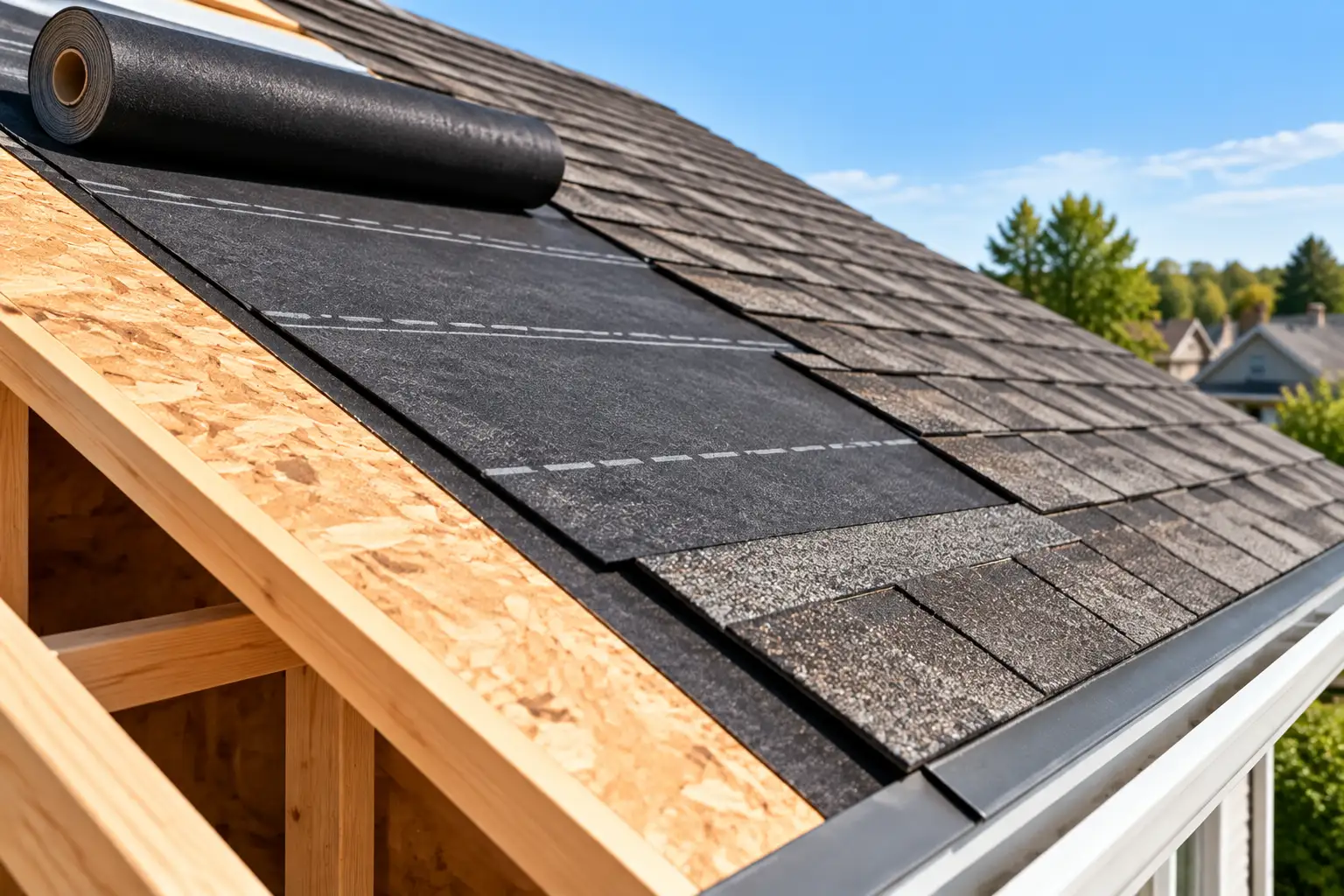
Asphalt shingles are made with layers of asphalt, fiberglass reinforcement, and protective mineral granules. Each component serves an important purpose in helping the roof withstand weather conditions.
The top layer of granules protects the asphalt coating from direct sunlight. These granules help reflect UV rays and provide resistance against daily exposure to the elements.
Over time, however, constant sunlight can break down the asphalt beneath the surface. As shingles age, they become less flexible and more vulnerable to cracking, lifting, and water infiltration.
According to the National Roofing Contractors Association (NRCA), proper roof maintenance and regular inspections are important for identifying conditions that may affect roof performance and service life.
Understanding how shingles age is also useful when reviewing the broader roofing services offered by Maze Roofing for inspections, repairs, and replacements.
Common Ways Sun Exposure Damages Asphalt Shingles
Shingle Fading and Discoloration
One of the earliest visible signs of sun exposure is fading. Asphalt shingles naturally lose some color over time as UV rays affect the surface materials.
While minor color changes are normal as a roof ages, significant fading may indicate that the protective granules are wearing away. Once granule loss increases, shingles become more vulnerable to additional weather damage.
Loss of Protective Granules
The small mineral granules covering asphalt shingles play an important role in roof protection. They help shield the asphalt layer from UV radiation and provide resistance against weather conditions.
When shingles lose excessive granules, homeowners may notice:
- Dark patches on shingles
- Granules collecting in gutters
- Exposed asphalt areas
- Faster roof aging
Granule loss is a common sign that shingles are becoming less effective at protecting the home.
Shingle Curling and Cracking
Heat causes roofing materials to expand, while cooler temperatures cause them to contract. Over many years, this repeated movement can weaken shingles.
Sun-damaged shingles may begin to:
- Curl at the edges
- Crack along the surface
- Become brittle
- Lift during strong winds
Once shingles lose their ability to lay flat, water can find pathways underneath and reach the roof decking.
Asphalt Drying and Brittleness
Asphalt provides flexibility that allows shingles to handle temperature changes and movement. Prolonged UV exposure can dry out asphalt compounds, making shingles harder and more fragile.
Brittle shingles are more likely to crack during storms, maintenance activities, or temperature fluctuations.
Step-by-Step Guide to Protecting Asphalt Shingles from Sun Damage
Although homeowners cannot prevent sunlight completely, proper maintenance can reduce the impact of long-term exposure.
1. Schedule Regular Roof Inspections
Professional inspections help identify early signs of sun damage before they lead to leaks or structural problems.
A roofing specialist can evaluate:
- Granule loss
- Shingle condition
- Flashing performance
- Signs of moisture intrusion
Regular inspections are especially important for roofs exposed to strong sunlight throughout the year. Homeowners can also review completed Maze Roofing projects to see examples of roofing work and material applications.
2. Maintain Proper Attic Ventilation
A hot attic can increase roof temperatures and add stress to roofing materials. Proper ventilation allows heat and moisture to escape.
An effective ventilation system helps:
- Reduce excessive heat buildup
- Improve energy efficiency
- Support longer roof performance
3. Keep Gutters and Drainage Systems Clear
While gutters do not prevent sun damage directly, proper drainage helps protect shingles from additional moisture-related problems.
Blocked gutters can allow water to collect along roof edges, creating conditions that worsen existing shingle deterioration.
4. Address Damaged Shingles Promptly
Small areas of damage can spread if ignored. Replacing damaged shingles or completing necessary repairs can prevent water from reaching underlying roof components.
For homeowners experiencing widespread deterioration, a professional roof replacement evaluation can help determine the best long-term solution.
Factors That Increase Sun Damage Risk
Not every roof experiences sun damage at the same rate. Several factors can influence how quickly asphalt shingles deteriorate.
| Factor | Impact on Roof | Prevention Tip |
| Direct sunlight exposure | Accelerates UV deterioration | Schedule regular inspections |
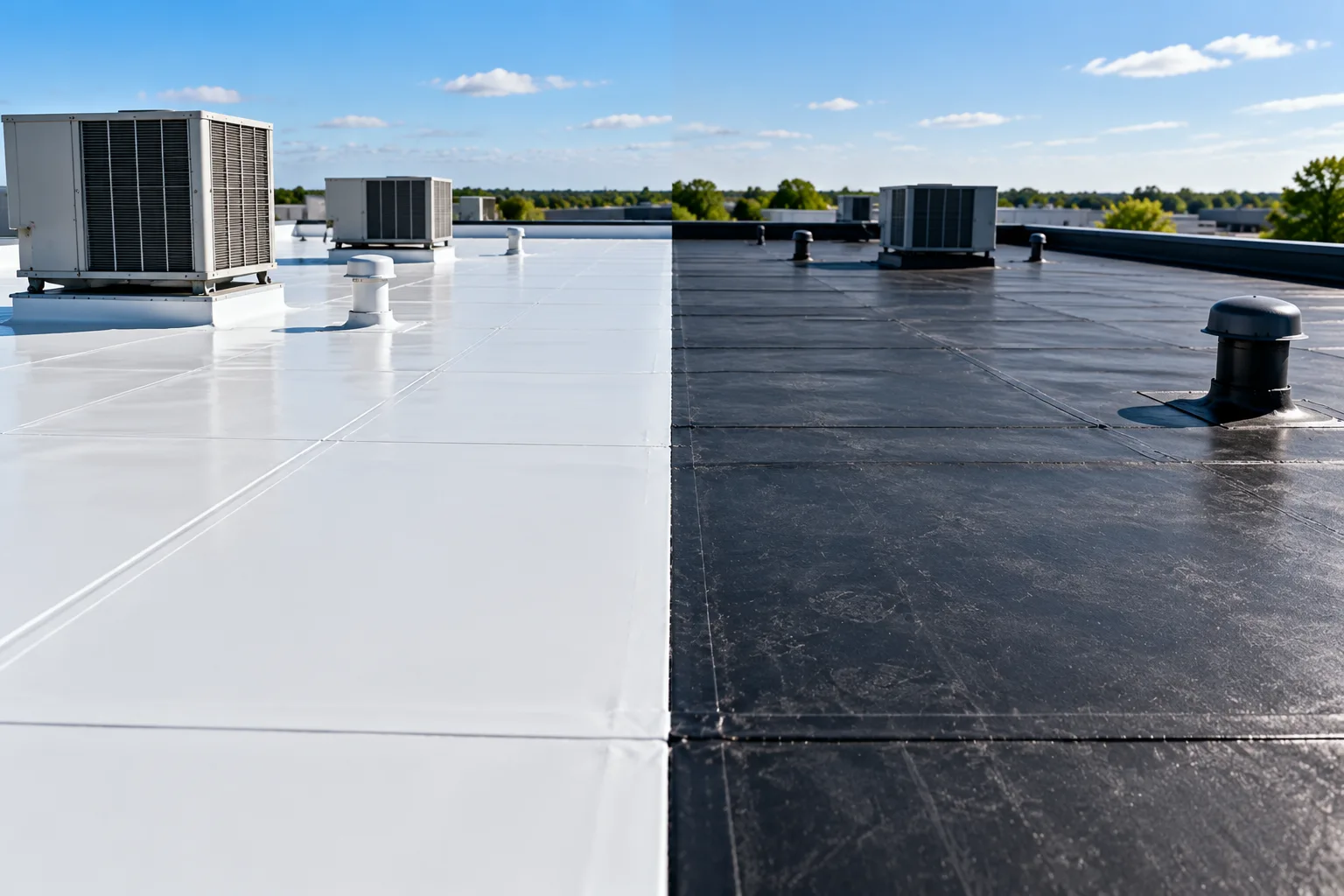
| Dark-colored shingles | Absorb more heat | Consider roofing materials suitable for your climate |
| Poor attic ventilation | Increases roof temperature | Maintain proper airflow |
| Roof age | Older shingles are more vulnerable | Monitor aging materials |
| Extreme temperatures | Increase expansion and contraction | Address damage early |
Common Mistakes That Increase Roof Sun Damage
Ignoring Roof Age
Older asphalt shingles naturally become more vulnerable to UV damage. Waiting until leaks appear may result in more extensive repairs.
Assuming Sun Damage Is Only Cosmetic
Fading may appear harmless, but it can sometimes indicate deeper deterioration such as granule loss or asphalt breakdown.
Neglecting Attic Ventilation
A poorly ventilated attic can trap heat and increase stress on roofing materials.
Delaying Small Repairs
Minor cracks or missing shingles can allow moisture into the roofing system, leading to larger issues.
Skipping Professional Inspections
Many sun-related roofing problems develop gradually and may not be visible from the ground. Property owners can review Maze Roofing’s service areas to learn where professional roofing inspections and repairs are available.
Protect Your Asphalt Shingles from Sun Damage with Maze Roofing
Your roof protects your home every day, but constant sun exposure can slowly reduce the performance of asphalt shingles. While some aging is unavoidable, proper maintenance, ventilation, and timely repairs can help extend your roof’s service life.
Maze Roofing helps homeowners identify signs of roof deterioration and provides professional inspections, repairs, and replacement solutions tailored to each property. Learn more about Maze Roofing, visit Maze Roofing for additional roofing information, or contact Maze Roofing today if you notice fading, cracking, missing granules, or other signs of sun damage.
Frequently Asked Questions (FAQ)
How long does sun exposure last on asphalt shingles?
The lifespan of asphalt shingles depends on the quality of materials, installation, climate, and maintenance. Many asphalt shingle roofs last around 15 to 30 years under normal conditions.
Can UV rays damage asphalt shingles?
Yes. UV rays can break down roofing materials over time, causing fading, granule loss, brittleness, and reduced weather resistance.
Do lighter-colored shingles last longer in sunny climates?
Lighter shingles may reflect more sunlight and absorb less heat, but lifespan depends on many factors, including material quality, ventilation, and maintenance.
Can sun-damaged shingles be repaired?
If damage is limited, individual shingles may be replaced. However, widespread deterioration may require a complete roof evaluation.
How can I tell if my roof has sun damage?
Common signs include faded shingles, missing granules, curling edges, cracks, and visible aging. A professional inspection can identify less obvious problems.