

Moss growth on a roof may seem like a minor cosmetic issue, but over time it can create serious problems for your roofing system. Moss thrives in damp, shaded environments where moisture remains trapped against shingles, allowing roots to grow between roofing materials and weaken protective layers. As moss expands, it can lift shingles, block proper water drainage, and increase the risk of leaks, especially during heavy rain or freezing temperatures.
Preventing moss growth requires more than simply removing visible patches. Homeowners need to address the moisture conditions that allow moss to develop while maintaining proper roof ventilation, drainage, and routine inspections. If moss has already started affecting your roof, scheduling a professional roof inspection can help identify damage early and prevent costly repairs.
Homeowners can also review the full range of roofing services offered by Maze Roofing when moss growth is connected to damaged shingles, drainage problems, or other roof concerns.
Key Takeaways
- Control Moisture Exposure: Moss grows in damp areas, so improving drainage and reducing moisture buildup helps prevent roof growth.
- Keep Roofs Free of Debris: Leaves, branches, and organic material trap moisture and create ideal conditions for moss development.
- Maintain Proper Sunlight and Ventilation: Improving airflow and reducing shaded areas can slow moss growth.
- Avoid Harsh Cleaning Methods: Pressure washing and aggressive scrubbing can damage shingles and shorten roof lifespan.
- Schedule Professional Inspections: Early detection allows roofing professionals to remove moss safely and address underlying issues.
Why Moss Growth Is Dangerous for Your Roof
Moss develops when moisture remains on roofing materials for extended periods. Unlike algae, which mainly creates surface discoloration, moss has root-like structures that attach to shingles and hold additional moisture against the roof surface.
Over time, this constant exposure can break down the protective granules on asphalt shingles. These granules help protect shingles from UV rays and weather conditions, so losing them can accelerate roof aging.
Moss can also create problems during colder months. When trapped moisture freezes, it expands and can force shingles upward, creating gaps where water can penetrate beneath the roofing system.
According to the United States Environmental Protection Agency (EPA), managing moisture is an important part of preventing mold and biological growth around buildings. The same principle applies to roofing systems, where excessive moisture creates conditions that encourage organic growth.
Homeowners can explore the different roofing systems available through Maze Roofing to better understand how various roofing materials respond to moisture and long-term environmental exposure.
What Causes Moss to Grow on Roofs?
Understanding why moss appears is the first step toward prevention. Several environmental and maintenance factors contribute to moss development.
Excessive Shade
Roofs surrounded by large trees often receive limited sunlight. Shaded areas dry more slowly after rain, creating the damp environment moss needs to survive.
Poor Roof Drainage
Blocked gutters and clogged downspouts prevent water from moving away from the roof. Standing moisture around shingles increases the likelihood of moss growth.
Accumulated Organic Debris
Leaves, pine needles, and small branches collect moisture and provide nutrients for moss. Areas where debris remains untouched are common growth spots.
Limited Roof Ventilation
Poor attic ventilation can lead to excess moisture buildup beneath the roof. Proper airflow helps regulate temperature and humidity levels.
Step-by-Step Guide to Prevent Moss Growth
Preventing moss requires consistent roof maintenance and attention to moisture control.
1. Keep Gutters and Roof Valleys Clean
Clean gutters allow rainwater to flow properly away from your roof. Remove leaves and debris regularly, especially before seasons with increased rainfall.
Roof valleys should also remain clear because they direct large amounts of water away from the roof surface. Blocked valleys can create moisture pockets where moss begins growing.
2. Trim Overhanging Tree Branches
Trees provide shade and organic debris that encourage moss growth. Trim branches that hang directly over your roof to improve sunlight exposure and reduce falling leaves.
Maintaining a small clearance between trees and roofing materials also improves airflow around the roof surface.
3. Install Zinc or Copper Strips
Metal strips made from zinc or copper can help slow moss development. When rainwater passes over these metals, small amounts are released and spread across shingles, creating conditions that are less favorable for moss growth.
These solutions work best as a preventative measure and should be installed correctly to avoid damaging roofing materials.
4. Schedule Regular Roof Inspections
Professional inspections help identify early signs of moss, damaged shingles, and moisture problems before they become major repairs.
A roofing professional can determine whether moss removal, shingle replacement, or other maintenance is needed.
Homeowners can review completed Maze Roofing projects to see examples of professional roofing work and maintenance-related solutions.
Safe Methods for Removing Existing Moss
If moss is already growing on your roof, removal should be handled carefully. Improper cleaning techniques can damage shingles and create additional problems.
Professional roof cleaning typically involves:
| Method | Purpose | Important Consideration |
| Gentle moss removal | Removes existing organic growth | Avoid damaging shingles |
| Specialized cleaning solutions | Helps eliminate remaining growth | Must be compatible with roofing materials |
| Preventative treatments | Reduces future moss development | Requires proper application |
| Roof inspection | Identifies hidden damage | Helps prevent future leaks |
Homeowners should avoid using high-pressure washing equipment. According to safety recommendations from organizations such as OSHA, working on elevated surfaces requires proper precautions and fall protection. Roof cleaning is especially risky because wet roofing materials become extremely slippery.
Common Mistakes That Encourage Moss Growth
Ignoring Small Moss Patches
Small areas of moss can spread quickly if the underlying moisture issue is not corrected. Early attention prevents more extensive roof damage.
Pressure Washing the Roof
While pressure washing may remove visible moss, the force of the water can strip protective granules from shingles and reduce roof performance.
Allowing Gutters to Stay Clogged
Blocked gutters keep moisture near roofing materials and create ideal conditions for moss and algae growth.
Removing Moss Without Fixing the Cause
Simply removing moss does not solve the problem if shade, drainage, or ventilation issues remain.
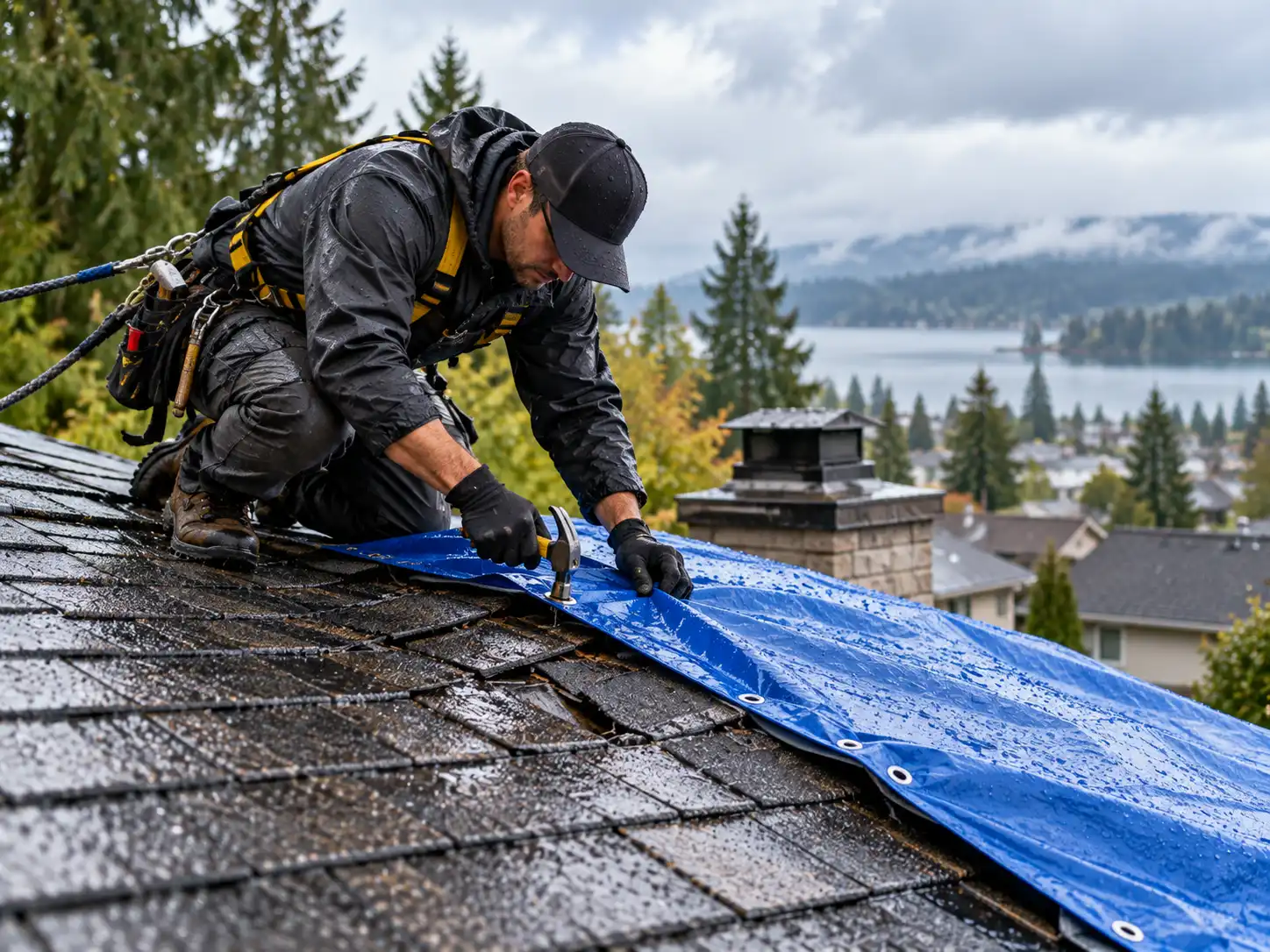
Walking on the Roof Without Proper Safety Equipment
Roof surfaces can become unstable, especially when covered with moss or moisture. Professional roofers have the equipment and experience needed to safely inspect and maintain roofing systems.
Property owners can review Maze Roofing’s service areas to see where professional roof inspections and related services are available.
Protect Your Roof from Moss Damage with Maze Roofing
Moss growth may start as a small problem, but untreated moisture buildup can gradually weaken your roofing system and lead to expensive repairs. Regular maintenance, proper drainage, and professional inspections are key to protecting your home from long-term roof damage.
Learn more about Maze Roofing and its approach to inspections, repairs, and long-term roof protection.
Visit Maze Roofing to learn more about available roofing solutions for homeowners.
If you notice moss growth, dark moisture areas, or signs of roof deterioration, contact Maze Roofing for a professional roof inspection and expert recommendations. Our team helps homeowners identify roofing issues early and maintain a durable, reliable roof system designed to withstand changing weather conditions.
Frequently Asked Questions (FAQ)
Is moss growth a sign that my roof needs replacement?
Not always. Early moss growth can often be addressed through proper cleaning and maintenance. However, widespread moss damage may indicate that shingles have deteriorated and require professional evaluation.
Can moss damage asphalt shingles?
Yes. Moss traps moisture against shingles, which can weaken roofing materials, remove protective granules, and contribute to premature roof deterioration.
How often should I inspect my roof for moss?
Most homeowners benefit from scheduling roof inspections at least once a year, especially in areas with frequent rainfall, heavy tree coverage, or high humidity.
Does removing moss stop it from coming back?
Removal helps, but preventing future growth requires addressing the conditions that caused it, including shade, moisture buildup, debris, and drainage issues.
Can I remove moss from my roof myself?
Some minor maintenance tasks can be completed safely from the ground, but climbing onto a roof with moss can be dangerous. Professional roofing specialists have the proper tools and safety equipment for roof maintenance.