Investing in a new roof is one of the most significant financial commitments a homeowner will make. While selecting durable materials and eye-catching colors gets most of the attention, understanding your roofing warranty is equally vital for protecting that investment long-term. A comprehensive warranty serves as your financial safety net against material defects, early degradation, and installation errors. However, navigating warranty terminology, from “lifetime coverage” to “prorated limits”, can often feel overwhelming. Property owners planning a roof replacement or new installation must understand what their coverage includes, what can void it, and how manufacturer and contractor warranties work together to safeguard their property.
Key Takeaways
- Two Distinct Layers of Protection: Standard coverage is divided between the manufacturer’s material warranty and the contractor’s workmanship warranty.
- The “Lifetime” Nuance: Manufacturer “lifetime” warranties typically cover the cost of defective materials, but often become prorated after a set period of 10 to 50 years.
- Workmanship Matters Most: Most roof leaks stem from improper installation rather than defective materials, making your contractor’s labor warranty crucial.
- Preventing Warranty Voidance: Neglecting regular maintenance, adding unapproved roof attachments (like solar panels), or installing improper attic ventilation can void coverage.
- Transferability Protection: Understanding transfer rules ensures your warranty stays valid and adds resale value if you decide to sell your home.
The Two Main Types of Roofing Warranties
Roofing warranties are split into two primary categories: coverage provided by the product manufacturer and coverage guaranteed by the installing contractor. Knowing the difference ensures you know exactly who to contact if an issue arises.
- Manufacturer Warranty (Covers Material Defects): Includes standard shingle warranties for basic defect protection and system-plus/extended warranties that cover the entire roofing system alongside non-prorated periods.
- Contractor Workmanship Warranty (Covers Installation Errors): Includes standard workmanship (typically 1 to 10 years via local contractors) and extended manufacturer-backed workmanship coverage certified directly through factory programs.
1. Manufacturer Material Warranties
Manufacturer warranties protect you if the roofing materials themselves fail prematurely due to manufacturing defects, such as thermal splitting, excessive granule loss, or adhesive strip failure.
Standard Shingle Warranties
Most major shingle manufacturers offer entry-level warranties with purchase. These typically cover the cost of replacing defective shingles for a set duration (often 10 to 20 years). However, standard warranties rarely cover the labor costs required to tear off defective shingles or install new ones after an initial “non-prorated” grace period expires.
System-Wide Extended Warranties
To qualify for an extended manufacturer warranty, you must purchase a complete roofing system from a single brand (including underlayment, starter shingles, leak barriers, ridge caps, and attic vents) and have it installed by a factory-certified contractor. Consumer protection guidance from the Federal Trade Commission (FTC) emphasizes reading fine print carefully, as extended warranties often cover both material defects and labor costs for 20 to 50 years with non-prorated terms.
2. Contractor Workmanship Warranties
Even the highest-grade shingle will fail if it is installed incorrectly. Workmanship warranties cover installation errors, such as improper shingle placement, inadequate flashing around chimneys, or poorly sealed roof valleys.
- Standard Contractor Warranties: Local roofing companies typically offer workmanship guarantees ranging from 2 to 10 years.
- Master-Certified Extended Coverage: Top-tier contractors who hold advanced factory certifications can offer manufacturer-backed workmanship warranties that protect your home for 25 years or longer, even if the contracting business changes hands in the future.
If you notice active water leaks or wind damage following a recent storm, scheduling an immediate roof repair or inspection helps document damage early and keeps your warranty claims on track.
Common Actions That Can Void Your Roofing Warranty
Many homeowners are surprised to learn that routine home modifications or simple neglect can invalidate their coverage. According to construction standards published by the U.S. Department of Housing and Urban Development (HUD), maintaining structural compliance is key to preserving property coverage. Common reasons manufacturers deny warranty claims include:
- Improper Attic Ventilation: Trapped heat and moisture inside an unventilated attic can warp roof decking and “cook” shingles from underneath. Manufacturers regularly inspect ventilation calculations before approving material failure claims.
- Layering New Shingles Over Old: Installing a new shingle layer over existing roofing (an overlay) often voids manufacturer coverage because it hides deck rot and prevents shingles from sealing down flat.
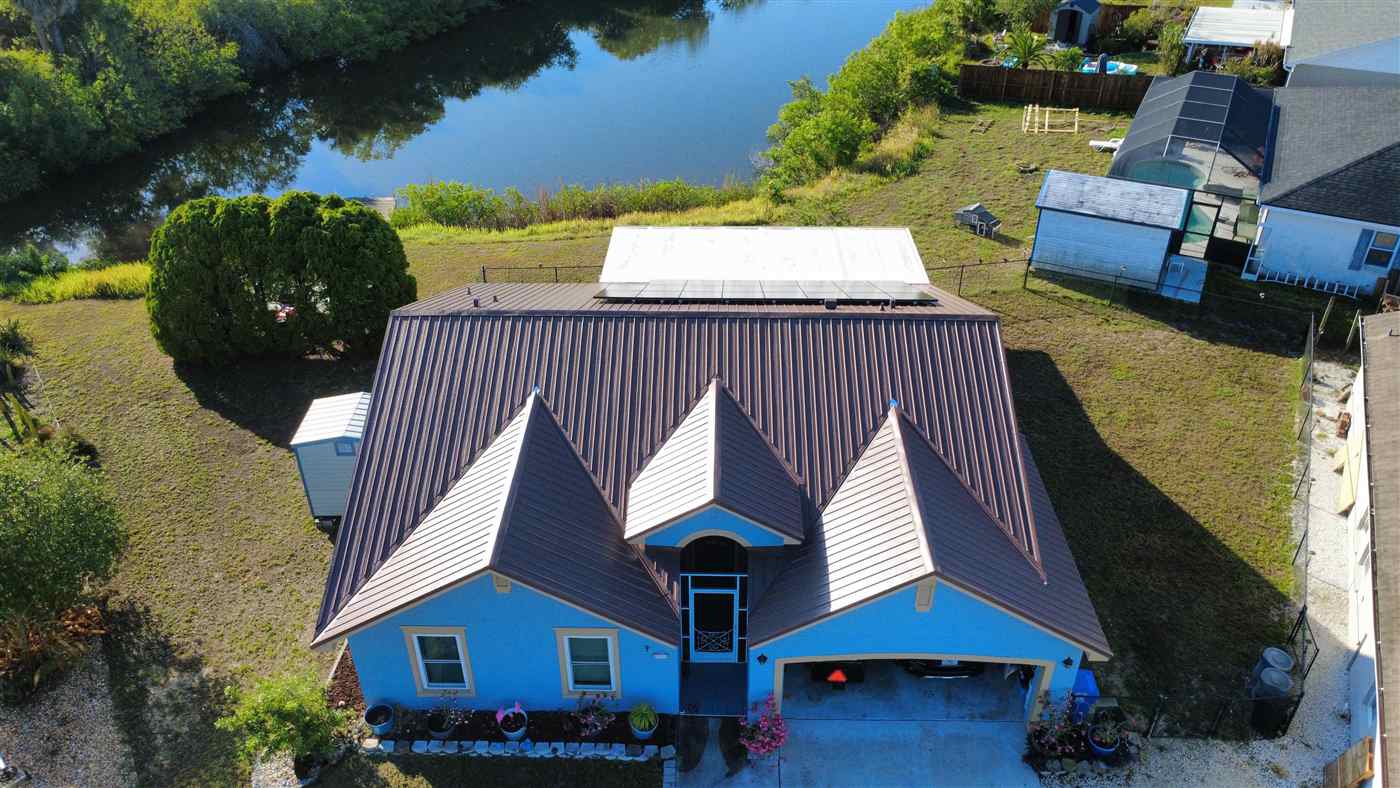
- Unapproved Roof Penetrations: Installing solar panels, satellite dishes, or skylights after roof installation without following approved sealing methods can void coverage for surrounding areas.
- Pressure Washing Shingles: Using high-pressure water streams to clean moss or algae strips away ceramic protective granules, instantly aging the shingle and voiding warranty coverage. Research published by the National Institute of Standards and Technology (NIST) highlights how surface abrasion weakens composite building materials.
Key Terms to Look for in Your Warranty Agreement
| Warranty Term | What It Means for You | Ideal Coverage Standard |
| Non-Prorated Period | The manufacturer pays 100% of material and labor replacement costs without depreciation. | 10 to 50 Years |
| Prorated Period | Coverage value drops annually based on the age of your roof deck. | Applies only after 20+ years |
| Transferability | The ability to transfer the remaining warranty coverage to a new homeowner if you sell. | At least 1 transfer allowed within 10-12 years |
| Wind Warranty Velocity | The maximum wind speed shingles are guaranteed to resist before blow-offs occur. | 110 to 130 MPH |
Frequently Asked Questions (FAQ)
What is the difference between a prorated and non-prorated roofing warranty?
During a non-prorated period, the manufacturer covers the full cost of replacing defective materials. Once the policy becomes prorated, the payout value steadily decreases over time based on your roof’s age, meaning you pay a higher out-of-pocket percentage for repairs as years pass.
Does my homeowner’s insurance policy replace my roofing warranty?
No. Homeowner’s insurance covers sudden, accidental damage caused by unexpected events like severe hail, storm-flown debris, or fallen tree limbs. A roofing warranty covers defects in material manufacturing or contractor installation mistakes.
How do I ensure my warranty remains valid when buying a home?
If you purchase a home with a newer roof, check whether the previous owner transferred the warranty within the allowed timeframe (usually 30 to 60 days after closing). You will need to submit a formal transfer request along with proof of purchase to the manufacturer.
Will installing solar panels void my roof warranty?
It can if the solar installation damages the roof membrane or penetrates flashing improperly. To protect your coverage, hire a certified contractor to inspect the roof deck prior to solar installation, and ensure your solar company provides its own roof-penetration warranty.
Why is attic ventilation so important for warranty coverage?
Inadequate ventilation traps extreme heat and humidity in the attic space during summer and winter months. This heat cooks the underside of shingles, causing premature blistering, curling, and deck rot that manufacturers will not cover under material defect policies.
Secure Your Investment with Certified Roofing Experts
A roof warranty is only as reliable as the manufacturer and contractor backing it up. Working with licensed, factory-certified contractors ensures your installation meets strict manufacturer guidelines, giving you access to top-tier, non-prorated warranty coverage. Contact the experienced team at Maze Roofing today to review warranty options, assess your roof’s condition, and receive a detailed, transparent project estimate.