
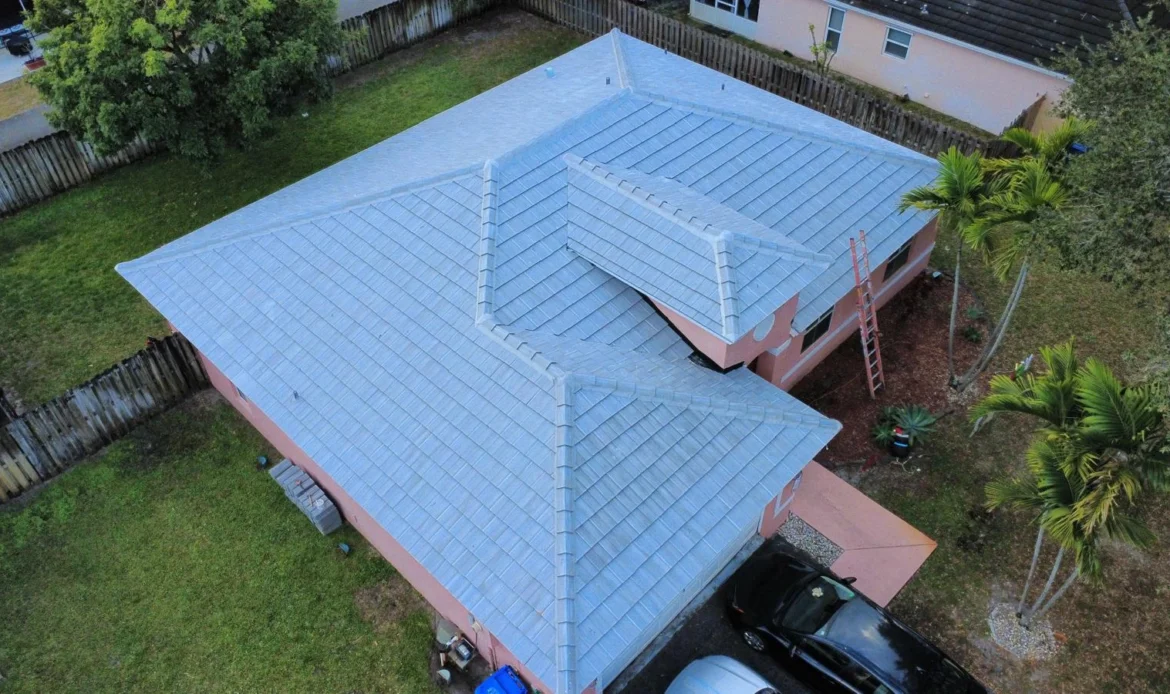
After a severe storm passes through your area, it is natural to walk outside and scan your roofline for any obvious signs of storm damage. If you do not see any gaping holes, exposed wood, or bare spots where shingles have completely blown away, you might breathe a sigh of relief and assume your home escaped unscathed. Unfortunately, this is one of the most common and dangerous misconceptions about storm damage. An overall summary of hidden wind damage reveals that high-velocity winds can easily destroy your roof’s waterproof integrity by breaking asphalt sealant strips, lifting shingles to crease them, and loosening fasteners—all without blowing a single shingle off the roof. These subtle, invisible compromises allow water to seep underneath your shingles during the very next rainstorm, rotting your structural roof deck completely out of sight.
Key Points: The Subtleties of Storm Wind Damage
- Sealant Strip Failure: Wind lifts shingles up just enough to break the continuous line of asphalt adhesive underneath them.
- Invisible Creasing: Once the seal is broken, shingles flap in the wind, bending backward and forming a structural crease along the top edge.
- Nail Pull-Through: Upward wind pressure pulls shingles directly up over their nails, loosening the mechanical fasteners.
- Granule Loss: The violent flapping action of loose shingles shakes off their protective mineral granules, accelerating UV rot.
- Debris Impact: Airborne debris can fracture the asphalt layer of shingles without physically detaching them.
1. Broken Sealant Strips: The Hidden Threat
Modern asphalt shingles are designed to lock together as a cohesive system. Each shingle has a factory-applied strip of heat-activated asphalt adhesive (called the sealant strip) running along its underside. Once installed, the warmth of the sun melts this adhesive, bonding the shingles together in an overlapping, wind-resistant shield.
During a severe storm, high wind gusts create a powerful aerodynamic lift on your roof slopes. If the wind is strong enough, it can catch the bottom edge of a shingle and lift it up, snapping the adhesive seal. Once this seal is broken, the shingle may settle right back into its original position, looking completely normal from the ground. However, because it is no longer bonded to the shingle below it, the next light wind will lift it easily, allowing rain to blow straight underneath.
2. Creased Shingles: The Permanent Bend
Once the adhesive seal of an asphalt shingle is broken by wind uplift, the shingle is free to flap up and down in subsequent wind gusts.
As the shingle is repeatedly bent upward and backward, a horizontal line of structural stress forms near its top edge, close to where it is nailed. This stress line eventually develops into a crease. The crease is not just a cosmetic blemish; it indicates that the fiberglass mat inside the shingle has cracked and broken. Even though the shingle still lies flat when the wind dies down, the cracked structural core means it will quickly tear, disintegrate, or fly off during the next storm.
3. Fastener Loosening and Nail Pull-Throughs
When high winds lift unsealed shingles, they exert immense upward pressure on the nails holding those shingles in place. This lifting force can cause two distinct mechanical failures:
- Nail Back-Out: The upward tugging pulls the roofing nail slightly out of the wood roof deck, creating a raised nail head that pushes upward on the shingle above it.
- Shingle Pull-Through: The soft asphalt around the nail head stretches and tears, allowing the shingle to slide completely over the nail head.
In both scenarios, the shingle is no longer mechanically fastened to your roof deck. While it may stay wedged in place by adjacent shingles for weeks or months, it is structurally useless and highly vulnerable to water penetration. According to the Federal Emergency Management Agency (FEMA), proper nailing patterns and fastener security are absolutely critical to preventing wind uplift failure during high-wind events.
4. Accelerating Granule Loss
The mineral granules on the surface of your shingles are your roof’s primary defense against ultraviolet (UV) radiation from the sun. When shingles flap violently during a windstorm, the physical stress causes a massive amount of these granules to loosen and wash away.
Even if the shingles remain attached to the roof, those bare, granule-free areas will deteriorate rapidly under direct sunlight. Within a few months, the exposed asphalt baking in the sun will crack, shrink, and leak, significantly shortening the overall lifespan of your roof.
5. Micro-Fractures from Airborne Debris
High winds carry flying debris, such as tree branches, pinecones, and heavy hail. When these objects strike your roof at high speeds, they can cause micro-fractures in the asphalt layer of your shingles.
These impact fractures are often invisible from the ground and do not cause shingles to blow away. However, they bruise the shingle’s internal matting. Over the course of a few seasons of thermal expansion and contraction, these minor bruises split open, creating active leak points directly above your underlayment. For details on property standards and maintaining exterior resilient systems, the U.S. Department of Housing and Urban Development (HUD) offers helpful building safety resources.
Frequently Asked Questions
Why does my insurance company say I have wind damage when no shingles are missing?
Insurance adjusters are trained to look for broken sealant bonds and horizontal creases, not just missing shingles. Because creased and unsealed shingles have lost their structural capacity to shed water and resist future wind, they are classified as storm-damaged and are often eligible for insurance-covered repair or full replacement.
Can I check my shingles’ adhesive bonds myself?
Yes, but you must do so gently and safely. From a secure ladder, you can carefully slide a hand under the bottom edge of a shingle. If it lifts up with zero resistance, the sealant bond has failed. However, pulling too hard on a bonded shingle can damage it, so it is always best to let a certified roofer conduct this test.
What is wind “uplift”?
Wind uplift is an aerodynamic force created when wind blows over a roof. Similar to how air flowing over an airplane wing creates lift, wind blowing over a roof slope creates a low-pressure zone that pulls upward on the shingles, attempting to lift them off the roof deck.
Does homeowners insurance cover wind damage?
Yes, most standard homeowners insurance policies cover sudden wind damage. However, you must file your claim within your policy’s specified timeframe (often one to two years after the storm). This is why getting a professional inspection immediately after a major storm is so critical.
How do I protect my roof from wind damage?
The best protection is choosing high-quality, wind-resistant architectural shingles and ensuring they are installed using the manufacturer-specified number of nails (often six nails per shingle in high-wind zones instead of the standard four).
Schedule a Storm Damage Inspection with Maze Roofing
Just because your shingles are still on your roof doesn’t mean your home is safe from storm water. If your area has recently experienced high winds or severe storms, don’t wait for a ceiling stain to appear before taking action. At Maze Roofing, our certified roof inspectors specialize in identifying hidden storm damage, including broken sealant strips, creased shingles, and wind-loosened fasteners. We will provide you with a comprehensive damage report and work directly with your insurance company to ensure your roof is repaired or replaced properly. Contact us today to schedule your professional, hassle-free storm damage assessment.