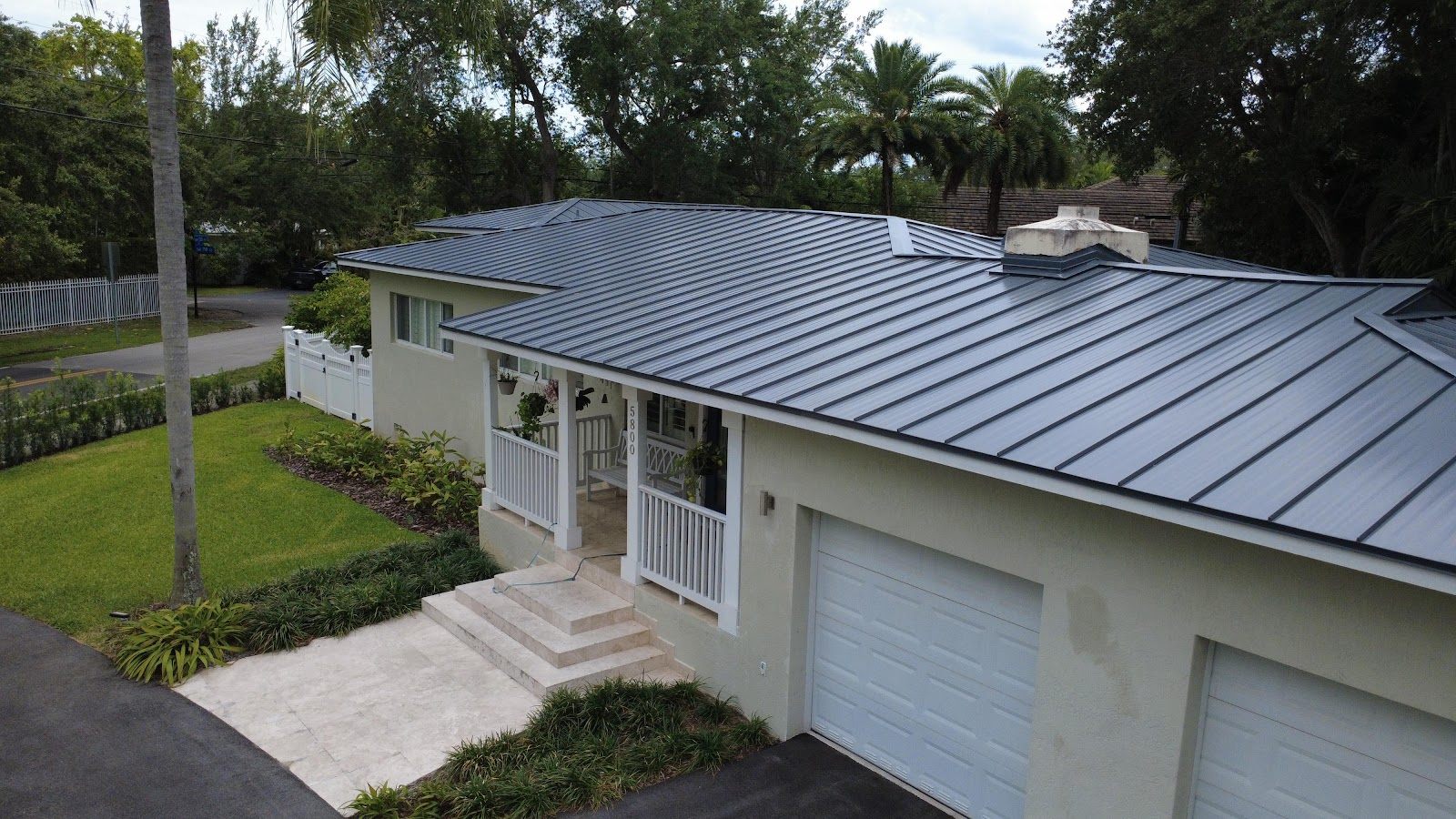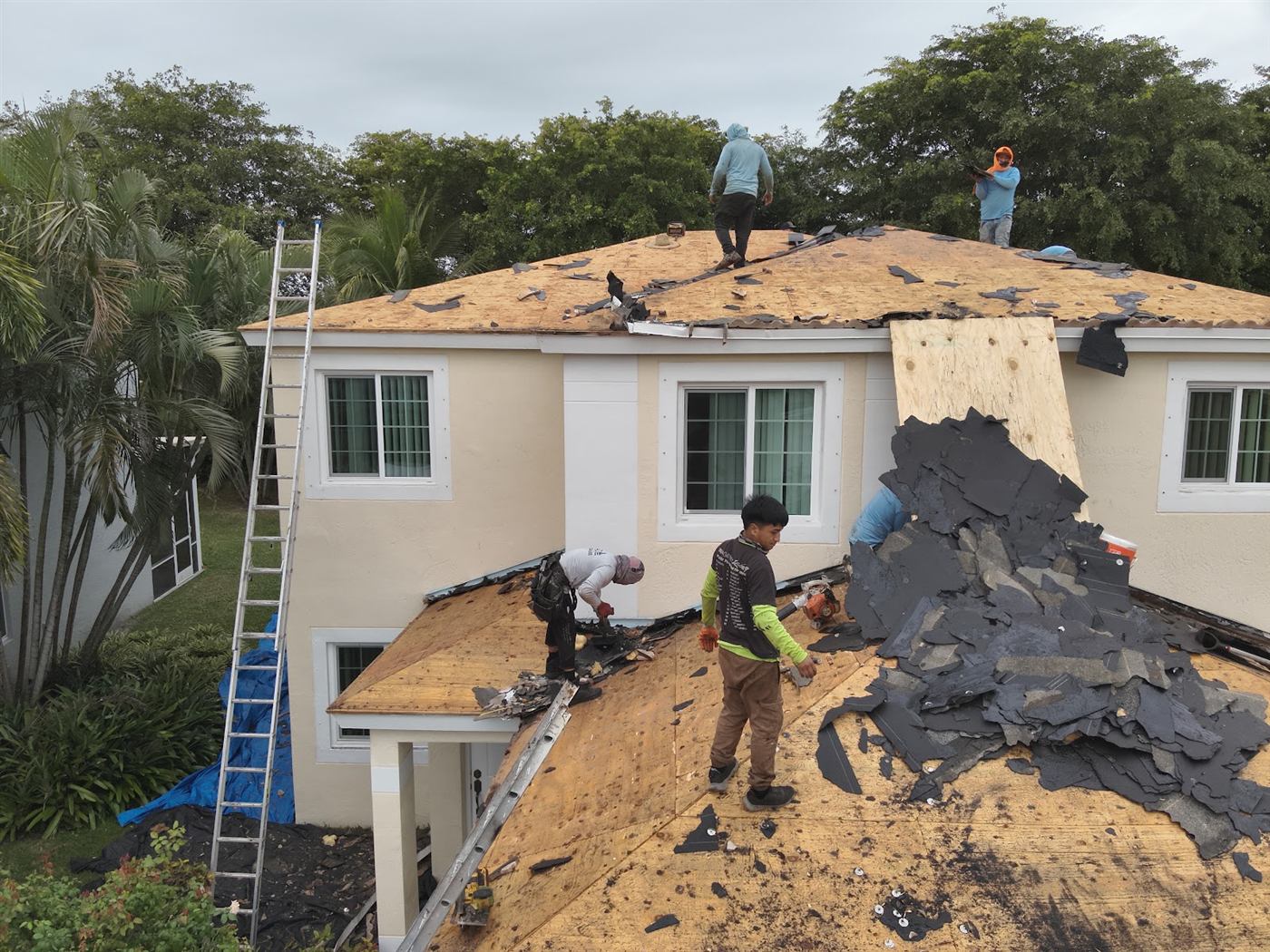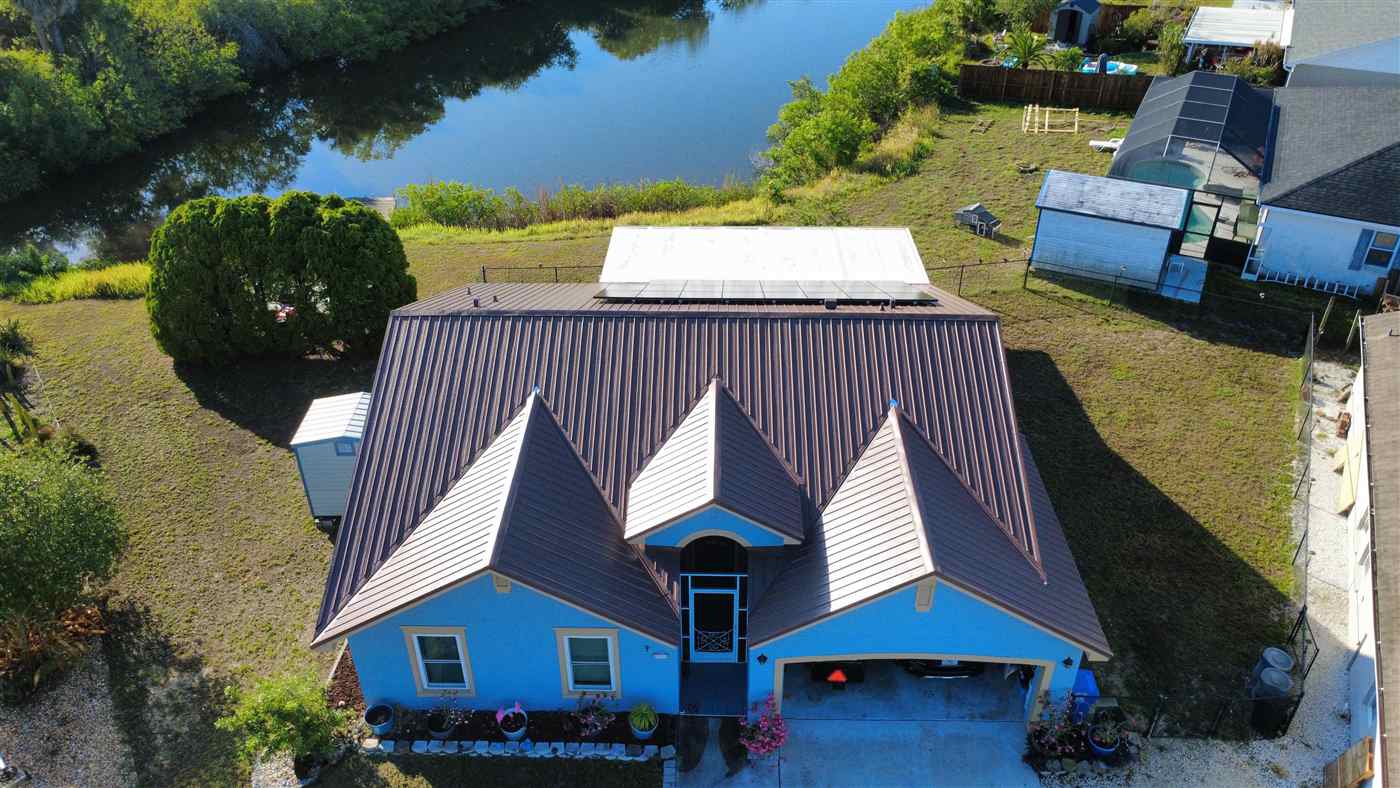
Selecting a new roof involves more than just picking a durable material; choosing the best roof color is a critical decision that impacts your home’s curb appeal, architectural cohesion, and long-term energy efficiency. The right color choice can highlight your property’s exterior features and elevate its market value, while an mismatched shade can distract from an otherwise beautiful home. Additionally, modern roofing technology means your color choice plays a functional role in regulating indoor temperatures and managing utility expenses. Property owners evaluating a roof replacement or new roof installation must consider several key factors, ranging from regional climate conditions to local neighborhood guidelines, before making a final commitment.
Key Takeaways
- Energy Efficiency Impact: Lighter roof colors reflect solar heat to keep homes cooler in warm climates, while darker shades absorb heat to aid warming in cold regions.
- Architectural Harmony: The optimal roof shade complements fixed exterior features such as brickwork, stone accents, siding, and trim colors.
- Neighborhood Considerations: Local homeowner association (HOA) regulations and surrounding home aesthetics often dictate permissible color palettes.
- Resale Value Protection: Neutral shades like black, charcoal, dark brown, and gray offer timeless appeal that attracts future homebuyers.
- Lighting Variations: Roof colors can look significantly different under direct natural sunlight compared to small indoor sample swatches.
Why Roof Color Selection Matters
A roof accounts for up to 40% of a home’s visible exterior, making it one of the most prominent visual elements of your property. Selecting a shingle or panel color is an investment that will stay with your home for 20 to 50 years depending on the material selected.
Beyond pure aesthetics, the science of solar reflectance dictates how your roof interacts with sunlight. Darker colors naturally absorb a higher percentage of solar radiation, transferring heat downward into your attic space. Conversely, reflective or lighter roofing colors bounce solar energy away from the building envelope, reducing cooling loads during peak summer months.
Key Factors to Consider When Selecting a Roof Color
1. Climate and Energy Efficiency
Your local climate should serve as a primary guide when selecting a roof shade. In hot, sun-heavy environments, light gray, beige, or pale tan shingles help minimize heat buildup inside the home. According to guidelines published by the U.S. Department of Energy (DOE), cool roofs, which utilize reflective pigments or lighter tones, can lower roof surface temperatures by up to 50°F during peak summer sun.
In colder northern climates, dark gray, black, or deep brown roofs absorb solar heat during clear winter days, which can help melt snow buildup faster and marginally reduce heating demands. Homeowners interested in maximizing thermal efficiency can consult energy research from the National Renewable Energy Laboratory (NREL) to understand how exterior reflectance influences whole-house HVAC performance.
2. Exterior House Materials and Color Palette
Your roof color should complement the fixed, unchangeable elements of your home’s exterior, such as natural stone, face brick, or concrete masonry:
- Red Brick Exteriors: Pair exceptionally well with dark brown, charcoal, black, or weathered wood shingle shades.
- Beige or Tan Siding: Complemented by warm tones like rich brown, dark bronze, or multi-tonal architectural gray.
- White or Off-White Siding: Highly versatile, pairing effortlessly with crisp black, dark slate gray, or deep blue-gray roofs for a striking, modern contrast.
- Gray Siding: Works best with dark gray, black, or cool slate shingle palettes to maintain a balanced monochromatic look.
3. Neighborhood Harmony and HOA Regulations
Before finalizing any color order, review your Homeowners Association (HOA) covenants or municipal historic district guidelines. Many planned communities maintain strict color charts to ensure visual uniformity across the neighborhood. Even without strict HOA rules, selecting a color that harmonizes with neighboring properties helps preserve surrounding property values and maintains a cohesive streetscape.
4. Architectural Style of the Home
Different architectural designs benefit from specific color strategies:
- Colonial and Craftsman Homes: Traditional dark gray, black, or cedar-toned shingles enhance classic lines and detailed woodwork.
- Ranch and Split-Level Houses: Multi-tonal architectural shingles add visual texture and depth to long, low-sloped rooflines.
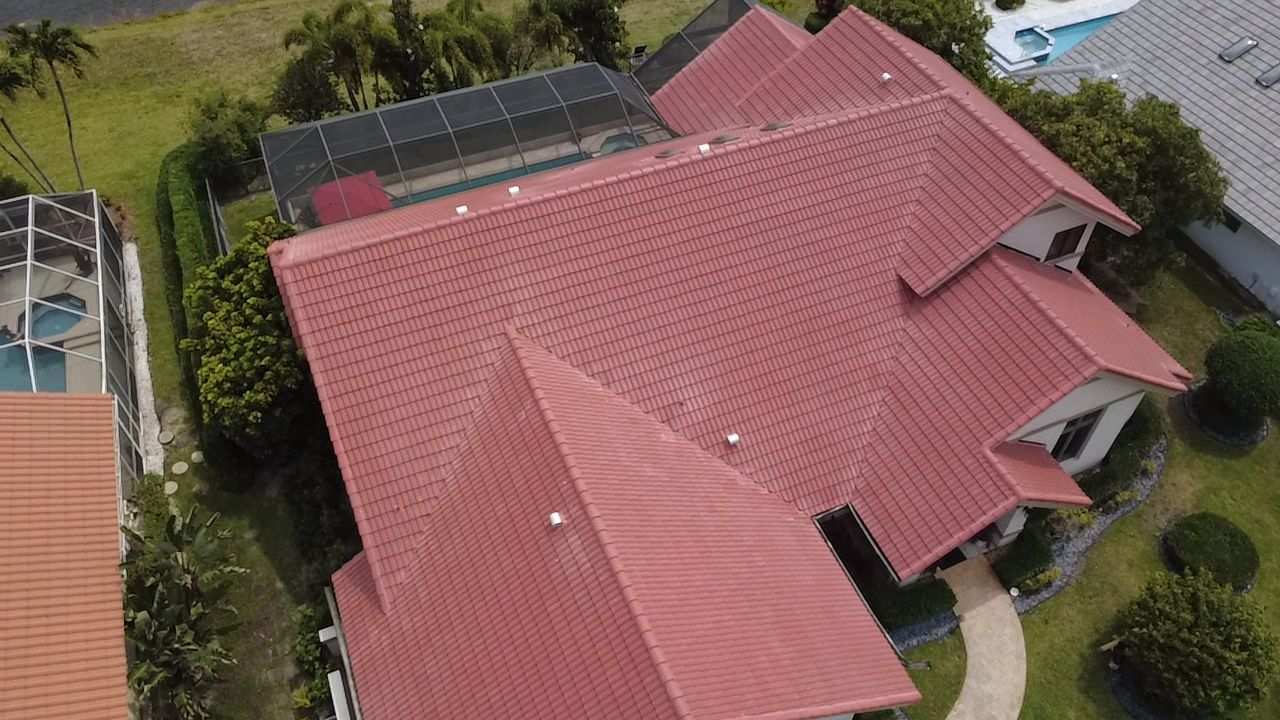
- Spanish or Mediterranean Style: Terracotta red, warm bronze, and sandy brown shades naturally complement stucco walls and tile profiles.
How to Test Roof Colors Before Buying
Roofing materials look remarkably different on a full roof deck under direct sunlight than they do inside a showroom or on a computer screen. To avoid color surprises:
- Request Physical Sample Boards: Ask your contractor for full-sized shingle samples rather than relying on digital brochures.
- Observe Samples at Different Times of Day: Place sample shingles against your home’s exterior wall and view them in morning light, direct midday sun, and evening shade.
- Examine Drive-By Projects: Request addresses of completed local projects from your contractor to view full-roof installations in person. If you notice structural issues or water staining during your visual research, scheduling a professional roof inspection service can help assess whether your existing system is ready for a new roof layer.
Popular Roof Colors Comparison
| Roof Color Palette | Thermal Impact | Ideal Architectural Styles | Resale Appeal |
| Black / Charcoal | High heat absorption; ideal for cooler zones | Colonial, Modern Farmhouse, Contemporary | High universal appeal |
| Dark Brown / Weathered Wood | Moderate to high heat absorption | Craftsman, Rustic, Traditional Brick | Very high, classic appeal |
| Light Gray / Slate Blue | Balanced heat reflection | Cottage, Coastal, Cape Cod | High, versatile appeal |
| Beige / Tan / Sand | High heat reflection; ideal for warm zones | Mediterranean, Ranch, Stucco | Moderate to high appeal |
Frequently Asked Questions (FAQ)
Will a dark roof significantly increase my summer cooling bills?
A dark roof absorbs more solar heat, which can raise attic temperatures if ventilation is inadequate. However, pairing a dark roof with proper attic insulation and continuous ridge-and-soffit ventilation significantly mitigates heat transfer into living spaces.
What is the most popular roof color for resale value?
Black and dark charcoal remain the most popular choices nationwide. Their classic, high-contrast look complements almost any siding color, making them a safe choice for attracting future buyers.
Can a light-colored roof qualify as a “cool roof”?
Yes, many light-colored asphalt shingles and metal roofing panels meet Energy Star criteria for cool roofs as defined by environmental guidelines from the U.S. Environmental Protection Agency (EPA). These products utilize specialized reflective granules to bounce infrared light away from the structure.
Should my roof color match my window trim or shutter color?
It does not need to match exactly, but it should harmonize. Many design experts recommend choosing a roof shade that is slightly darker than your house siding and complementary to your trim or shutter accents for a cohesive exterior design.
How do multi-tonal architectural shingles differ from solid colors?
Multi-tonal shingles blend two or three complementary shades into a single shingle unit. This creates dynamic shadow lines and depth, which helps disguise minor roof surface imperfections and adds visual interest to large, plain roof surfaces.
Transform Your Home’s Curb Appeal with Maze Roofing
Choosing the best roof color is an exciting opportunity to customize your home’s exterior while improving its overall energy performance and protection. Whether you are leaning toward classic charcoal, warm cedar tones, or energy-efficient light gray, working with experienced roofing specialists guarantees a seamless installation from start to finish. Contact the trusted team at Maze Roofing today to review color samples, discuss material options, and receive a free, comprehensive project estimate.