
Quick Answer
What are the signs of a leaking roof?
The earliest signs of a roof leak appear inside: brown or yellow ceiling stains, bubbling paint, peeling drywall, damp patches and a persistent musty smell. Outside, look for missing or lifted shingles, cracked flashing and granules collecting in the gutters. In the attic, check for wet insulation, dark streaks on the rafters and daylight through the deck. Because water travels along rafters before it drops, the visible stain is rarely directly beneath the actual point of entry.
Roof leaks often develop long before water starts dripping from a ceiling or soaking into drywall. Catching water intrusion in its earliest stages is critical for preventing costly structural repairs, mold proliferation, and compromised attic insulation. Because water naturally follows gravity, rafters, and roof decking, the spot where water enters your home rarely matches where stains appear on your ceiling. Recognizing the subtle warning signs of a leaking roof empowers homeowners to take prompt action before minor moisture issues turn into major restoration projects. Property owners who notice potential warning signs should schedule a professional roof inspection or leak repair service to protect their structural foundation.
Key Takeaways
- Hidden Interior Clues: Ceiling discoloration, peeling paint, and musty attic smells often signal active water entry long before visible drips occur.
- Exterior Warning Signs: Missing shingles, damaged flashing around chimneys, and curling shingle edges allow water to penetrate underlayment layers.
- Attic Inspection Value: Inspecting the underside of your roof deck with a flashlight reveals water streaks, rusted nails, and damp insulation early.
- Health Risks: Unchecked moisture promotes mold growth, which degrades indoor air quality and damages structural wooden framing.
- Timely Repair: Prompt professional roof repairs prevent minor leaks from causing full-scale deck rot and premature roof replacement.
Interior Signs of a Roof Leak
Interior damage often offers the first clear indication that your roofing system has failed. Regularly checking ceilings, walls, and upper-story rooms helps you catch leaks before they spread across large areas.
1. Water Stains on Ceilings and Walls
Discolored patches on ceilings or walls, frequently shaped like rings or puddles with yellowish-brown edges, are classic signs of water accumulation above drywall. These stains indicate that water has breached the outer roofing layers, saturated the attic insulation, and pooled on top of the ceiling board.
2. Peeling Paint or Bubbling Drywall
When moisture collects behind interior paint or wallpaper, it breaks down the adhesive bond. This causes paint to blister, bubble, or peel away from walls. Drywall that absorbs water will soften, sag, or show bulging spots under the weight of trapped moisture.
3. Damp Spots and Musty Odors
A persistent, musty smell in your attic or upper-floor rooms usually indicates trapped humidity and active mold growth. Moisture dripping onto wooden joists creates ideal conditions for fungal growth, which can rapidly diminish indoor air quality as outlined by the U.S. Environmental Protection Agency (EPA).
Exterior Signs of a Roof Leak
You can often spot roof leaks from the ground by inspecting the condition of your shingles, flashing, and drainage components.
1. Damaged or Missing Shingles
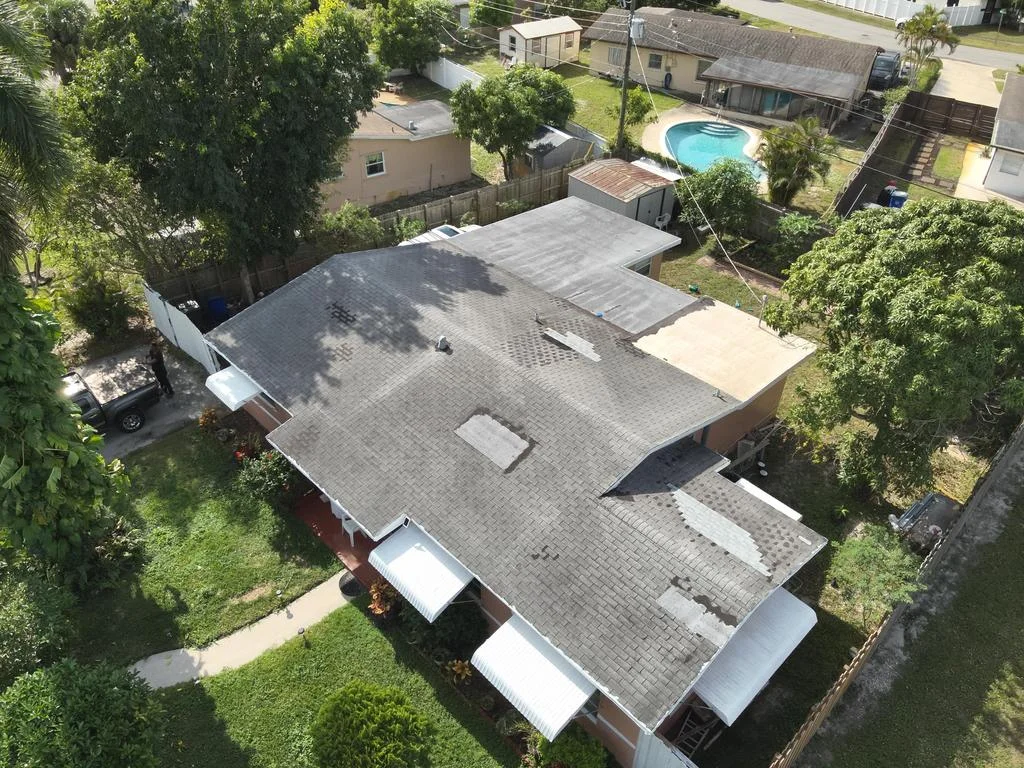
Shingles serve as your roof’s primary shield against rain and wind. Missing, cracked, cupped, or curling shingles expose the underlying waterproof felt or ice-and-water shield to direct sunlight and water flow. Over time, exposed underlayment degrades and allows water directly into the wooden roof deck.
2. Damaged Flashing and Sealants
Flashing consists of thin metal strips installed around roof joints, chimneys, skylights, and dormers. According to building safety codes published by the International Code Council (ICC), flashing must remain watertight to divert water away from structural junctions. Cracked, rusted, or loose flashing is one of the most common causes of residential roof leaks.
3. Granule Accumulation in Gutters
As asphalt shingles age, their ceramic surface granules begin to detach and wash down through downspouts. Finding heavy layers of dark, sand-like granules in your gutters means your shingles are losing their UV protection and waterproofing capability.
What to Look for Inside Your Attic
The attic provides a direct view of your roof’s structural underside. Inspecting your attic during or immediately after heavy rainfall can help you spot hidden leaks early:
- Dark Water Stains on Sheathing: Look for dark streaks, water rings, or black mold spots along the wooden rafters and roof deck.
- Rusted Roofing Nails: Shiny nails sticking through the roof deck should not show rust. Rusted nail heads signal chronic attic humidity or slow roof leaks.
- Compacted or Wet Insulation: Fiberglass insulation loses its thermal resistance when wet. Damp or matted insulation under the rafters confirms water is dripping from above. Guidelines from the U.S. Department of Energy (DOE) emphasize keeping insulation dry to preserve home energy efficiency.
Common Causes of Roof Leaks
| Leak Location | Primary Cause | Severity Level | Recommended Action |
| Around Chimneys / Skylights | Deteriorated flashing or dried silicone sealant | Moderate to High | Reseal or replace metal flashing |
| Roof Valleys | Clogged debris or cracked ice-and-water membrane | High | Clear debris and replace valley lining |
| Plumbing Vent Pipes | Cracked rubber boot collar or degraded seal | Moderate | Replace pipe boot collar |
| Shingle Field | Missing shingles, hail damage, or nail pops | Moderate | Patch missing shingles and secure nails |
Frequently Asked Questions (FAQ)
How can I find the exact source of a roof leak?
Finding a leak starts by measuring from the interior water stain to the nearest exterior wall, then checking the corresponding roof area. Because water runs down slopes and rafters before dripping, the leak entrance on the roof is usually located higher up the slope than the stain inside your home.
Can a small roof leak fix itself?
No, roof leaks never repair themselves. Even if a leak stops dripping after a rainstorm ends, the underlying pathway for water remains open. Future storms will continue to push water into the structure, worsening rot and mold growth over time.
How quickly does mold grow after a roof leak starts?
Mold spores can germinate and begin growing on damp wood, drywall, and insulation within 24 to 48 hours of water exposure. Addressing roof leaks quickly is essential for preventing widespread microbial contamination.
Is a leaking roof covered by homeowner’s insurance?
Insurance coverage depends on the cause of the leak. Storm damage from hail, high winds, or fallen tree limbs is typically covered by standard policies. However, leaks caused by age, lack of routine maintenance, or general wear and tear are usually excluded.
Can I repair a roof leak myself?
While temporary tarps can be applied safely from a ladder, permanently fixing a roof leak requires professional assessment. Certified contractors ensure flashing, underlayment, and shingles are correctly integrated so water cannot re-enter.
Protect Your Home with Maze Roofing
Ignoring early signs of a leaking roof can lead to severe structural damage, ruined insulation, and expensive interior repairs. If you notice ceiling stains, damaged shingles, or damp attic spaces, taking fast action will preserve your property’s value. Contact the experienced professionals at Maze Roofing today to schedule a thorough roof evaluation and get a clear, actionable repair strategy.