
Quick Answer
How long does a roof last?
Roof lifespan depends mainly on material. Asphalt shingles last 15 to 30 years, metal roofing 40 to 70 years, clay and concrete tile 50 years or more, and slate can exceed a century. Installation quality, attic ventilation, maintenance and climate all shift those ranges. In Florida, intense UV exposure, year-round humidity and hurricane-force wind shorten real-world service life, so asphalt roofs here typically reach the lower end of the published range rather than the upper.
A roof is your home’s primary shield against severe weather, heat, and structural degradation. Understanding how long a roof lasts helps homeowners plan maintenance budgets, schedule replacements, and protect overall property value. While average residential roofs last between 15 and 30 years, actual service life depends heavily on material selection, environmental conditions, installation quality, and ongoing maintenance. Property owners evaluating an aging system or planning a new roof installation or replacement must consider these core factors when estimating long-term performance.
Key Takeaways
- Material Expectations: Lifespans range from 15 years for basic 3-tab shingles to over 50 years for metal, clay tile, and slate roofs.
- Environmental Impact: Severe wind, hail, intense UV rays, and rapid thermal swings accelerate material breakdown and shorten functional life.
- Ventilation Influence: Continuous attic airflow prevents heat accumulation that can cook shingles and decay roof decking from underneath.
- Routine Upkeep: Bi-annual inspections and prompt minor repairs can add several years of service to any roofing material.
- Installation Quality: Professional installation by licensed contractors ensures manufacturer warranties remain valid and materials perform as designed.
Lifespan Expectations by Roofing Material
The primary factor determining roof longevity is the material installed. Every roofing system offers unique trade-offs between initial investment cost, visual style, and long-term durability.
1. Asphalt Shingle Roofs
Asphalt shingles are the most widely installed residential material due to their balance of affordability and versatile design options.
- 3-Tab Asphalt Shingles: Basic single-layer shingles typically last 15 to 20 years. They provide economical protection but are more vulnerable to wind uplift and hail impact.
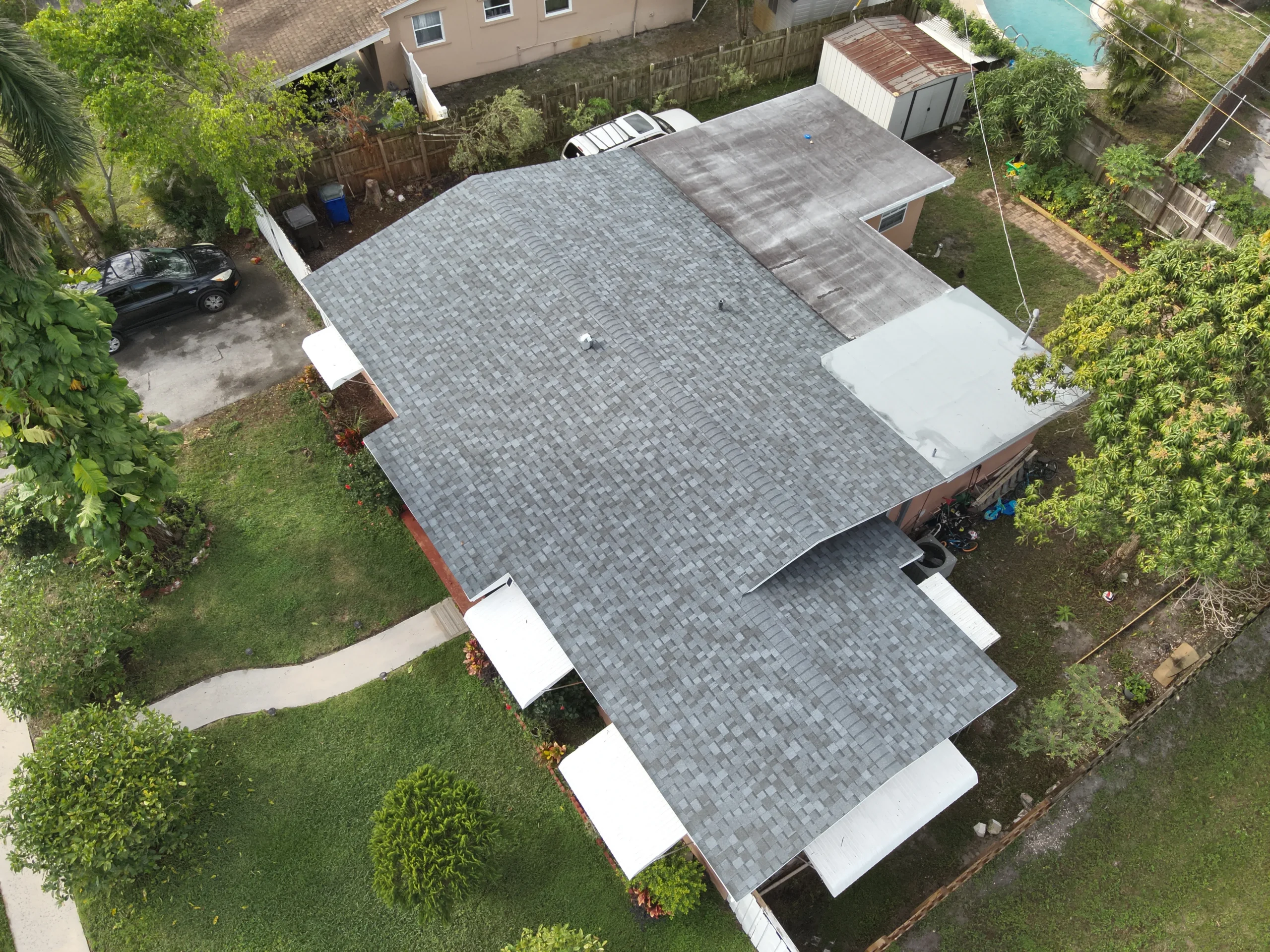
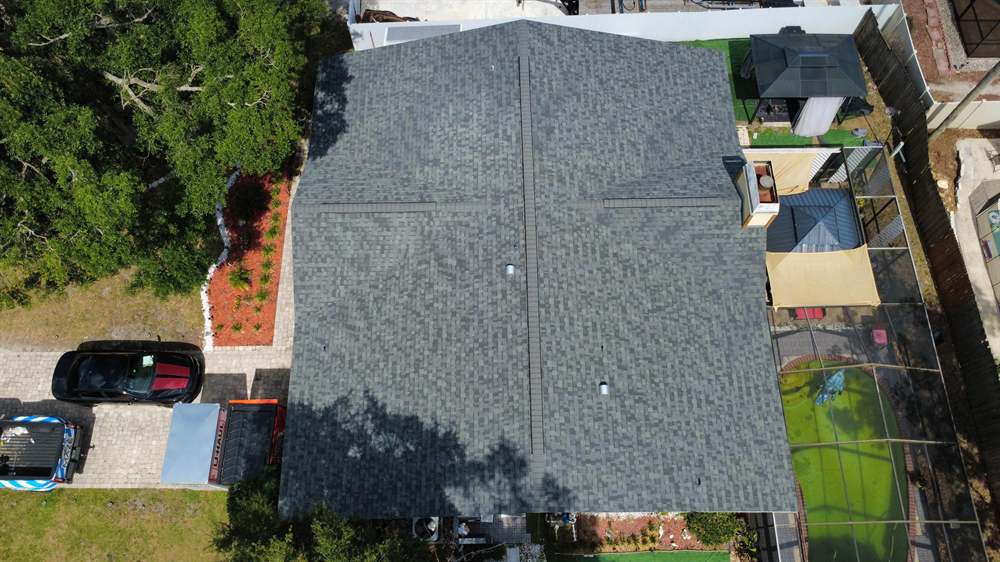
- Architectural (Dimensional) Shingles: Featuring thick, multi-layered construction, architectural shingles carry an average lifespan of 22 to 30 years. They offer superior wind resistance and impact ratings.
- Luxury Shingles: Premium heavyweight shingles designed to emulate slate or wood shakes can last 30 to 40 years under ideal maintenance conditions.
2. Metal Roofing Systems
Metal roofs offer high energy reflection and exceptional durability, making them popular in regions facing heavy snow, severe storms, or high heat exposure. Research from the National Renewable Energy Laboratory (NREL) shows that reflective metal surfaces reduce heat absorption, minimizing thermal stress on building structures.
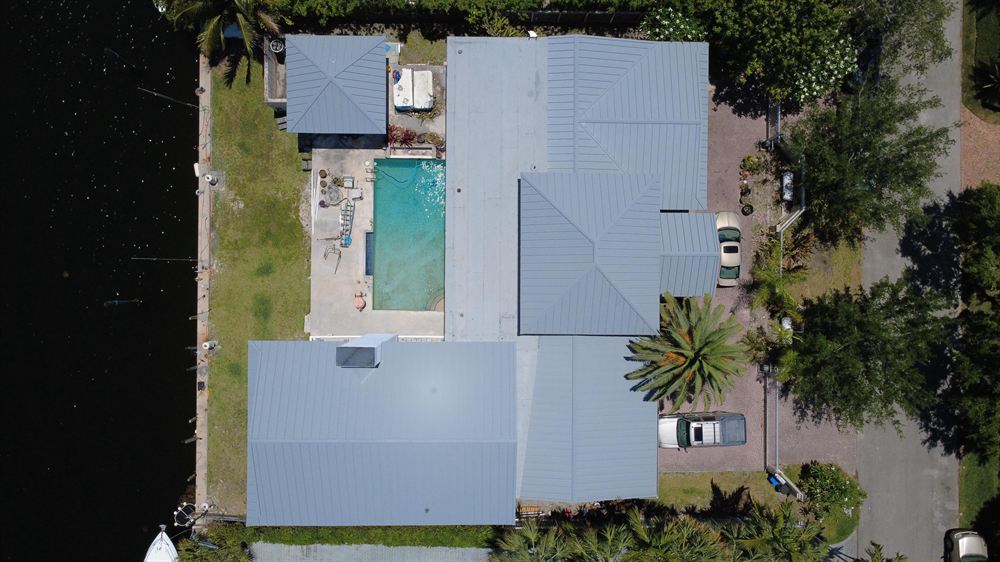
- Standing Seam Metal: Features concealed fasteners that prevent water entry, yielding an expected lifespan of 40 to 70 years.
- Corrugated Metal Panels: Exposed-fastener panels typically last 25 to 45 years and require periodic screw tightening and gasket checks.
3. Slate, Tile, and Premium Materials
For homeowners seeking maximum longevity, premium natural or concrete products provide unmatched performance.
- Natural Slate: Often called the lifetime roofing option, authentic slate can last 75 to 100+ years when supported by a reinforced roof frame.
- Clay and Concrete Tile: Popular in warm or coastal climates, clay and concrete tiles last 50 to 100 years. Building guidelines from the U.S. Department of Housing and Urban Development (HUD) highlight tile’s natural resistance to rot, fire, and insect damage.
- Cedar Wood Shake: Natural wood roofs offer distinct rustic charm and typically last 25 to 35 years, provided they receive regular treatments to prevent moss and moisture retention.
Critical Factors That Affect Roof Lifespan
Two roofs constructed with the exact same material can age at vastly different rates depending on exterior and structural variables.
- Attic Ventilation Performance: Poor attic airflow traps extreme heat during summer and condensation during winter. This moisture warps structural decking and accelerates shingle aging from below.
- Local Climate and UV Exposure: Homes subjected to intense sunlight, heavy snowfall, or coastal air experience faster surface breakdown than homes in mild regions.
- Roof Pitch and Drainage: Steeper roof pitches shed water, ice, and debris quickly, while low-slope roofs are prone to water pooling that damages seals.
- Overhanging Vegetation: Nearby tree branches drop organic debris that traps moisture against roof surfaces, promoting algae, moss, and fungal rot.
Lifespan Comparison of Popular Roofing Materials
| Roofing Material | Average Lifespan | Maintenance Level | Storm Resistance | Relative Initial Cost |
| 3-Tab Shingles | 15 – 20 Years | Moderate | Moderate | Lowest |
| Architectural Shingles | 22 – 30 Years | Low to Moderate | High | Economical |
| Standing Seam Metal | 40 – 70 Years | Low | Very High | Moderate to High |
| Clay / Concrete Tile | 50 – 100 Years | Moderate | Very High | High |
| Natural Slate | 75 – 100+ Years | Low | Exceptional | Premium |
Frequently Asked Questions (FAQ)
How can I tell if my roof is reaching the end of its life?
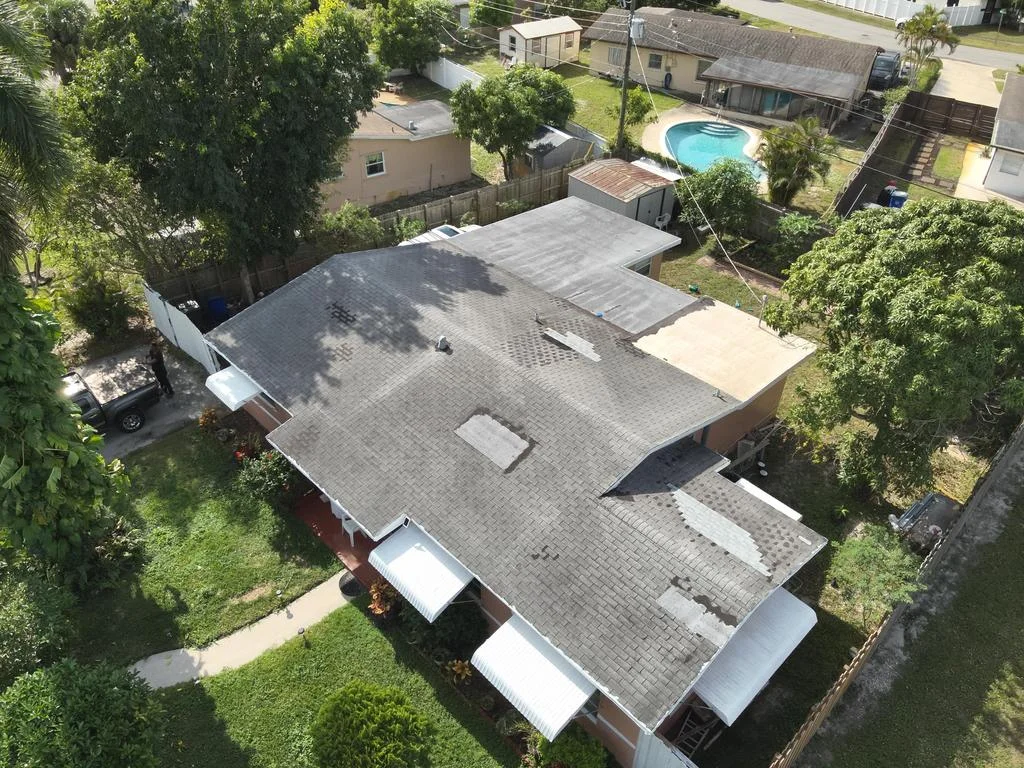
Common indicators that a roof requires replacement include curling shingle edges, widespread granule loss in gutters, cracked or missing shingles, sunlight showing through attic decking, and recurring leaks. If your shingle roof is over 20 years old, booking a professional evaluation is recommended.
Does attic insulation really extend roof life?
Yes, adequate insulation combined with proper ventilation stabilizes attic temperatures. This prevents thermal shock, reduces winter ice dam formation, and stops heat buildup from damaging shingles from underneath.
Will a new roof increase my home’s resale value?
Replacing an aging roof is a high-return home improvement project. According to real estate benchmarks, a new roof enhances curb appeal, reassures buyers during home inspections, and recovers a substantial portion of its installation cost at resale.
Can severe weather shorten a roof’s lifespan instantly?
Yes, high-velocity wind gusts can tear shingles away, while heavy hail can crack protective coatings and strip away granules. Even a newly installed roof can suffer sudden structural damage after severe weather events.
How often should I have my roof inspected to ensure it lasts?
Standards published by the National Institute of Standards and Technology (NIST) recommend scheduling professional roof inspections twice per year, typically in spring and autumn, as well as after major severe weather events. Spotting minor flashing tears or seal failures early prevents premature system failure.
Maximize Your Roof’s Lifespan with Maze Roofing
Whether your roof is approaching the end of its functional life or you want to extend the performance of your current system through proactive maintenance, certified expertise is essential. Regular assessments, timely spot repairs, and high-quality installations keep your home protected for decades. Contact the experienced team at Maze Roofing today to schedule a thorough roof evaluation and receive a clear, honest assessment of your roof’s condition.