
Quick Answer
How much does it cost to replace a roof?
Most residential roof replacements cost between $8,000 and $22,000. The final figure is driven by square footage, roof pitch, structural complexity, material choice and local labor rates. Asphalt shingles sit at the low end of that range, while tile, metal and slate run considerably higher. Florida projects often carry added cost because code requires secondary water barriers and upgraded wind-rated fastening. Tear-off of existing layers, hidden deck repair and permit fees are the items homeowners most often leave out of a budget.
Replacing a residential roof is one of the most significant investments a homeowner will make in their property. Understanding the cost to replace a roof involves examining a range of variables, including overall square footage, roof pitch, labor rates, structural complexity, and chosen materials. While national averages for a standard roof replacement range between $8,000 and $22,000, actual project estimates vary based on regional material pricing and home design. Property owners preparing for an upcoming home improvement project should consult a certified contractor to evaluate their home’s specific requirements and get an accurate roof replacement or installation estimate.
Key Takeaways
- Material Selection Drives Cost: Asphalt shingles offer the most economical upfront cost, whereas standing seam metal, tile, and slate require a higher initial investment.
- Roof Size and Pitch Impact Labor: Steeper, multi-gabled roofs require specialized safety gear and additional labor hours compared to flat or low-slope structures.
- Tear-Off and Disposal Fees: Removing existing shingle layers and disposing of old materials adds to total labor expenses.
- Structural Repairs Add to Totals: Hidden deck rot, damaged flashing, or rotten fascia boards discovered after tear-off increase overall material and labor budgets.
- Warranty Value: Investing in high-grade materials installed by certified contractors secures long-term non-prorated warranty coverage.
Primary Factors Influencing Roof Replacement Costs
Roofing estimates are calculated based on several core pricing components rather than a single flat fee. Understanding these elements helps homeowners evaluate quotes and avoid hidden costs.
- Roof Size and Complexity: Roofing contractors measure roofs in roofing squares, where one square equals 100 square feet of roof surface area. A standard 2,000-square-foot home with a standard roof pitch typically requires between 20 and 24 roofing squares. Complex designs featuring dormers, chimneys, skylights, multiple valleys, and steep slopes increase installation difficulty, safety requirements, and time on site.
- Material Selection: The choice of roofing material represents the largest percentage of your overall invoice. Basic 3-tab asphalt shingles provide a budget-friendly price point, while architectural shingles offer enhanced durability for a moderate increase in cost. Premium choices like standing seam metal, clay tile, and slate feature significantly higher upfront material pricing but offer extended lifespans spanning 40 to 100 years.
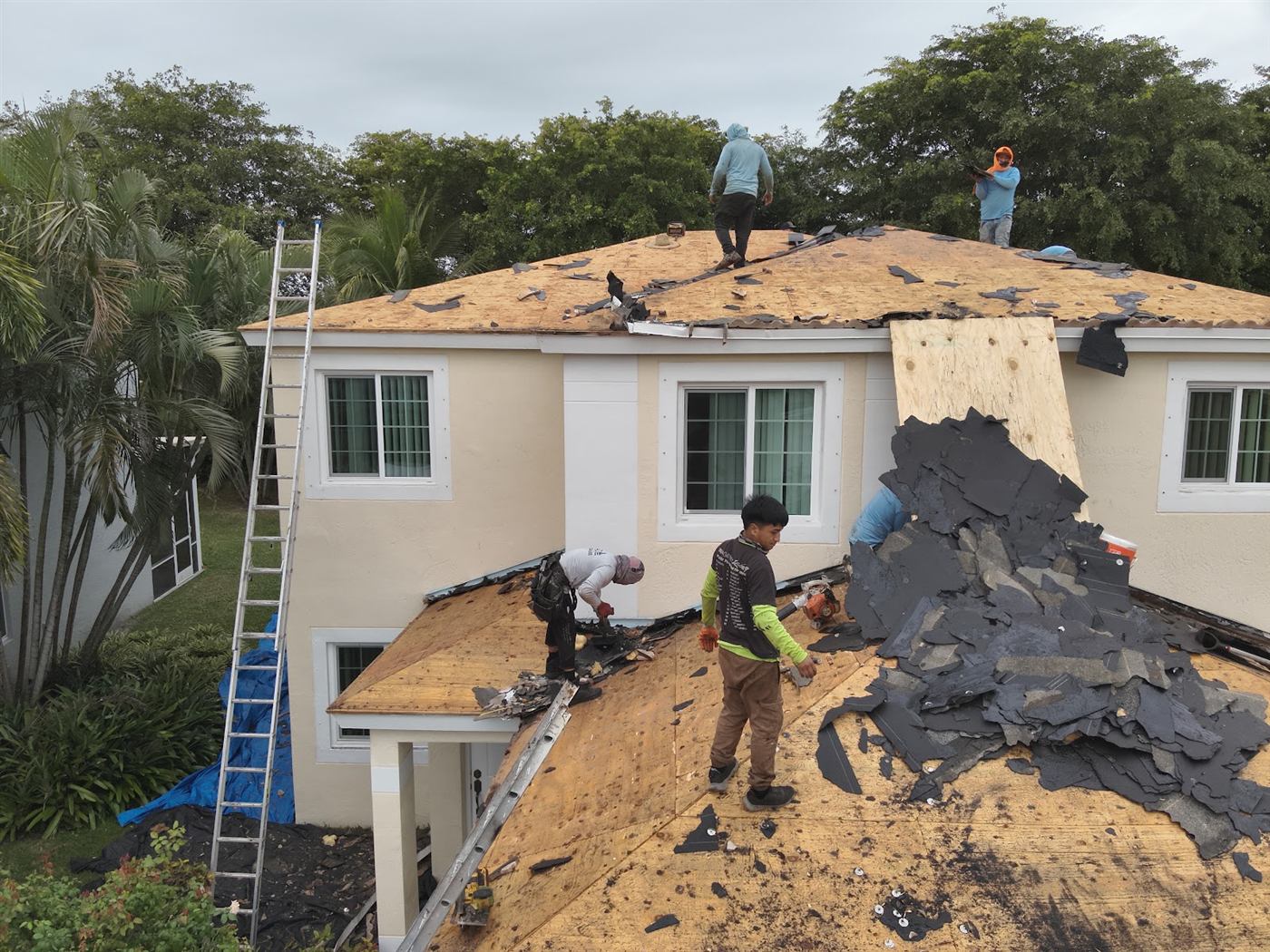
- Existing Roof Removal and Waste Disposal: Contractors must tear off existing shingle layers down to the wooden decking to inspect for hidden water damage. Tearing off a single layer of shingles is standard, but homes with multiple previous shingle layers incur higher labor and landfill disposal fees. Housing guidelines published by the U.S. Department of Housing and Urban Development (HUD) stress complete tear-offs to ensure structural integrity before installing new waterproofing underlayment.
- Wooden Deck Repair and Underlayment Upgrades: Once old shingles are removed, contractors inspect the plywood or OSB decking beneath. Replacing rotted or water-damaged deck sheets, upgrading to synthetic underlayment, and adding ice-and-water shields in valleys and along eaves add to material totals but ensure long-term leak protection.
Cost Comparison by Roofing Material
| Roofing Material | Average Cost per Square (100 sq ft) | Estimated Lifespan | Overall Budget Level |
| 3-Tab Asphalt Shingles | Economical | 15 – 20 Years | Budget-Friendly |
| Architectural Shingles | Moderate | 22 – 30 Years | Mid-Range Value |
| Standing Seam Metal | Moderate to High | 40 – 70 Years | High Investment |
| Clay / Concrete Tile | High | 50 – 100 Years | Premium Investment |
| Natural Slate | Premium | 75 – 100+ Years | Top-Tier Luxury |
How to Budget for a Roof Replacement
Planning ahead for a roof replacement ensures you balance upfront costs with long-term performance:
- Get Multiple Detailed Estimates: Obtain itemized written estimates from licensed, insured local contractors that break down labor, material options, permits, and waste disposal.
- Review Financing and Insurance Coverage: Check if storm damage from hail or wind qualifies your replacement for homeowner insurance coverage. Many certified contractors also offer flexible monthly financing plans.
- Factor in Long-Term Energy Savings: Reflective cool roofs reduce attic temperatures, lowering summer cooling bills as detailed by energy research from the National Renewable Energy Laboratory (NREL).
- Schedule Off-Peak Inspections: Booking inspections in early spring or late autumn can provide better scheduling availability with local crews. If you suspect your aging roof has hidden water intrusion, scheduling a professional roof inspection and leak evaluation helps establish a baseline before planning a full replacement.
Frequently Asked Questions (FAQ)
How much does it cost to replace a standard 2,000 sq. ft. roof?
The average cost to replace a roof on a 2,000-square-foot home with architectural asphalt shingles typically ranges between $9,500 and $16,000, depending on roof pitch, geographic location, and decking repairs.
Is it cheaper to install new shingles over old ones?
Installing a second layer of shingles (an overlay) saves initial labor costs on tear-off, but it is generally discouraged. Overlays hide underlying deck rot, add excess weight to the structure, shorten new shingle lifespan, and often void manufacturer warranty coverage.
Does homeowner insurance cover roof replacement costs?
Insurance policies typically cover roof replacements if the damage is caused by sudden, covered events like severe hail, storm-flown debris, or fallen trees. Insurance does not cover wear and tear or neglect resulting from an aging roof.
What time of year is cheapest to replace a roof?
Late winter and early spring are typically off-peak seasons for roofing contractors. Homeowners may find more flexible crew scheduling and occasional seasonal discounts during these months compared to peak late-summer and autumn rushes.
What hidden costs should I anticipate during a roof replacement?
Common unexpected expenses include replacing water-rotted plywood decking, repairing damaged chimney flashing, replacing rusted gutter aprons, and addressing improper attic ventilation to meet current building code standards.
Plan Your Roof Replacement with Maze Roofing
Investing in a new roof protects your home’s structural integrity, enhances curb appeal, and lowers energy costs for decades to come. Working with certified, local roofing professionals guarantees transparent pricing, high-quality craftsmanship, and comprehensive warranty protection. Contact the experienced team at Maze Roofing today to schedule your comprehensive roof evaluation and receive a detailed, transparent project estimate.