
When homeowners think about their roofing system, shingles, tiles, or metal panels are usually the first components that come to mind. However, one of the most important layers protecting your home is hidden underneath the visible roofing materials: the roof underlayment.
Roof underlayment is a protective barrier installed between the roof decking and the outer roofing materials. It provides an additional layer of defense against moisture, wind-driven rain, and other environmental conditions that can threaten your home’s structure.
Even high-quality shingles cannot provide complete protection on their own. Properly installed underlayment helps prevent water from reaching the roof deck, improves overall durability, and provides added security during storms or roofing material failures.
If your roof is showing signs of leaks, moisture damage, or aging materials, scheduling a professional roof inspection can help determine whether underlayment issues or other roofing problems are affecting your home.
Homeowners can also review the different roofing systems available through Maze Roofing to better understand how underlayment works together with shingles, membranes, and other roofing materials.
Key Takeaways
- Underlayment Provides Extra Protection: This hidden layer helps block moisture that gets beneath shingles or other roofing materials.
- Different Roofs Require Different Underlayments: Material selection depends on climate, roof design, and roofing system requirements.
- Proper Installation Prevents Leaks: Incorrect placement or damaged underlayment can compromise the entire roofing system.
- Underlayment Supports Roof Longevity: A quality barrier helps protect roof decking and reduce moisture-related damage.
- Professional Installation Matters: Experienced roofers ensure underlayment is installed correctly for long-term performance.
What Is Roof Underlayment?
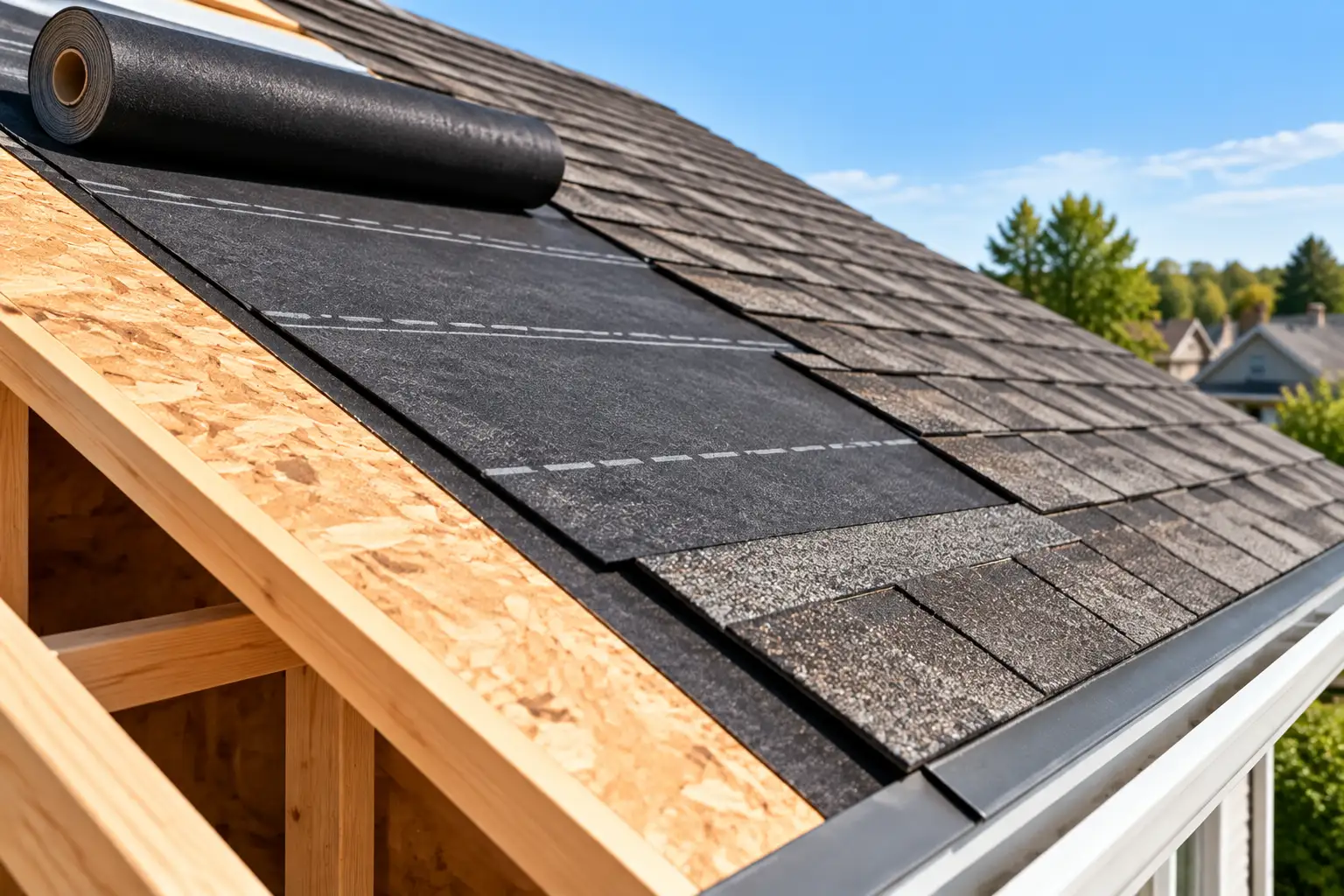
Roof underlayment is a protective layer placed directly over the roof deck before shingles, tiles, or other roofing materials are installed. It acts as a secondary barrier that helps prevent water from reaching the structural components of your home.
While roofing materials are designed to shed most water away from the building, wind-driven rain, ice, and damaged shingles can allow moisture underneath the surface. Underlayment provides additional protection in these situations.
Common types of roof underlayment include:
- Asphalt-saturated felt
- Synthetic underlayment
- Rubberized asphalt membranes
Each option has different performance characteristics, and the right choice depends on factors such as roof design, local weather conditions, and the roofing materials being installed.
According to the International Code Council (ICC), proper roofing systems require appropriate weather-resistant barriers and installation practices to help protect buildings from moisture intrusion.
Understanding how these layers work together is also an important part of choosing the right professional roofing services for a repair or replacement project.
Why Roof Underlayment Is Important
A complete roofing system relies on multiple layers working together. Underlayment serves as an additional defense that protects the home when the outer roofing layer is exposed to extreme conditions.
Provides Moisture Protection
The primary purpose of underlayment is to prevent water from reaching the roof deck. If shingles become damaged or water gets underneath roofing materials, underlayment helps redirect moisture away from vulnerable areas.
This protection is especially important during:
- Heavy rainfall
- Wind-driven storms
- Snow and ice conditions
- Temporary roofing exposure
Protects Roof Decking
Roof decking provides the structural foundation for your roofing system. When moisture reaches the decking, it can lead to:
- Wood rot
- Mold growth
- Structural weakening
- Expensive repairs
Underlayment helps reduce the chance of water damage affecting these critical components.
Adds Protection During Roof Installation
During a roof replacement project, underlayment provides temporary protection before the final roofing materials are installed. This helps protect the exposed roof deck from unexpected weather conditions during construction.
Homeowners considering a roof replacement can also explore completed Maze Roofing projects to see examples of roofing work and system installations.
Types of Roof Underlayment Explained
Choosing the correct underlayment is an important part of building a reliable roofing system.
Asphalt-Saturated Felt
Traditional felt underlayment has been used in roofing for many years. It is made by saturating paper or fiberglass materials with asphalt to improve moisture resistance.
Benefits include:
- Affordable option
- Widely available
- Suitable for many roofing applications
However, felt can be more vulnerable to tearing and moisture exposure compared to newer synthetic options.
Synthetic Underlayment
Synthetic underlayment is made from durable polymer materials designed to provide stronger performance compared to traditional felt.
Advantages include:
- Improved tear resistance
- Lightweight installation
- Better moisture protection
- Greater durability during installation
Many modern roofing projects use synthetic underlayment because of its strength and reliability.
Rubberized Asphalt Underlayment
Rubberized asphalt underlayment includes waterproof materials and strong adhesive properties. It is often used in areas where additional moisture protection is needed.
Benefits include:
- Strong waterproofing ability
- Self-sealing around fasteners
- Excellent protection in vulnerable areas
Step-by-Step Roof Underlayment Installation Process
Proper installation is essential because even high-quality underlayment can fail if applied incorrectly.
1. Inspect and Prepare the Roof Deck
Before installing underlayment, roofing professionals inspect the decking for damage, rot, or weak areas.
Any damaged sections should be repaired before the protective layer is installed.
2. Install Underlayment Across the Roof Surface
The underlayment is carefully rolled out across the roof deck, ensuring proper coverage and alignment.
Correct installation helps prevent gaps where water could enter.
3. Secure the Material Properly
Underlayment must be fastened according to manufacturer recommendations and roofing requirements.
Incorrect fastening can create openings that allow moisture intrusion.
4. Protect Vulnerable Areas
Special attention is given to areas where water exposure is higher, including:
- Roof edges
- Valleys
- Chimneys
- Skylights
- Vent openings
These areas often require additional waterproofing measures.
5. Install Final Roofing Materials
Once the underlayment is properly installed, shingles or other roofing materials are placed over the protective barrier.
The finished roofing system works together to provide long-term protection. Property owners can review Maze Roofing’s service areas to learn where professional roof installation and repair services are available.
Common Roof Underlayment Mistakes to Avoid
Using the Wrong Underlayment Material
Not every underlayment works for every roofing system. Choosing the wrong material can reduce roof performance.
Installing Over Damaged Decking
Underlayment cannot fix structural problems underneath. Damaged roof decking should be repaired before installation.
Poor Overlapping Techniques
Incorrect overlap patterns can create pathways where water enters the roofing system.
Leaving Underlayment Exposed Too Long
Underlayment is designed to provide temporary protection, but prolonged exposure to sunlight and weather can damage some materials.
Skipping Professional Installation
Improper installation can compromise the entire roof, even when premium materials are used. Learning more about Maze Roofing can help homeowners understand the company’s approach to roofing inspections, repairs, and replacement projects.
Roof Underlayment Comparison
| Underlayment Type | Main Benefits | Best Applications |
| Asphalt felt | Affordable and traditional | Standard residential roofing |
| Synthetic | Durable and tear resistant | Modern roof replacements |
| Rubberized asphalt | Strong waterproof protection | Areas with higher moisture risk |
Protect Your Roofing System with Maze Roofing
Roof underlayment may not be visible after installation, but it plays a major role in protecting your home from moisture and weather damage. A properly installed underlayment layer helps strengthen your entire roofing system and provides valuable protection beneath your shingles.
Maze Roofing provides professional roof inspections, repairs, and replacement services designed to protect your home from hidden roofing problems. Visit Maze Roofing to learn more about available roofing solutions, or contact Maze Roofing today if you are replacing your roof or concerned about possible moisture damage.
Frequently Asked Questions (FAQ)
Is roof underlayment necessary?
Yes. Underlayment provides an additional moisture barrier and helps protect the roof deck from leaks caused by damaged or missing roofing materials.
How long does roof underlayment last?
The lifespan depends on the material, installation quality, and exposure conditions. High-quality underlayment can provide protection throughout the life of the roofing system.
Can I replace shingles without replacing underlayment?
In some cases, existing underlayment may remain usable, but a professional inspection is recommended to determine its condition.
What happens if roof underlayment is damaged?
Damaged underlayment can allow moisture to reach the roof deck, increasing the risk of leaks, rot, and structural damage.
Is synthetic underlayment better than felt?
Synthetic underlayment generally offers improved durability and moisture resistance, but the best option depends on the specific roofing system and project requirements.