
After a hurricane, hailstorm, or severe windstorm, the first hours matter, but so do the next few weeks. A roof insurance claim moves through a predictable sequence: protect people, document the damage, limit further loss, notify the insurer, and review the findings. Handling those steps carefully helps you present a clear claim and avoid preventable mistakes. This article is general information, not legal or financial advice, and what your policy covers is decided by your policy and your insurer.
Overview
This guide walks homeowners and property owners through the practical side of a storm damage claim for a roof. It covers what to do first, how to document damage, what temporary protection is reasonable, how adjusters and contractor estimates fit together, and the policy terms that most often surprise people. It applies to the Florida, Pennsylvania, and New Jersey markets Maze Roofing serves, with the caveat that insurance rules vary by state and by policy.
Step 1: Protect People First
Safety comes before any claim. Stay away from downed power lines, standing water that might be electrified, and any ceiling or roof area that looks structurally compromised. If a tree has fallen on the house or there is a strong smell of gas, leave and call emergency services. Roof damage is not worth an injury.
Step 2: Avoid Unsafe Roof Access
Do not climb onto a storm-damaged roof to look around. Wet, uneven, or damaged surfaces and loose materials make falls more likely, and hidden damage can make a roof unstable. The National Roofing Contractors Association has advised that homeowners should only inspect roofs from ground level. You can learn a lot from the ground with binoculars, and a professional can inspect the roof surface safely.
Step 3: Document the Damage Before Cleanup
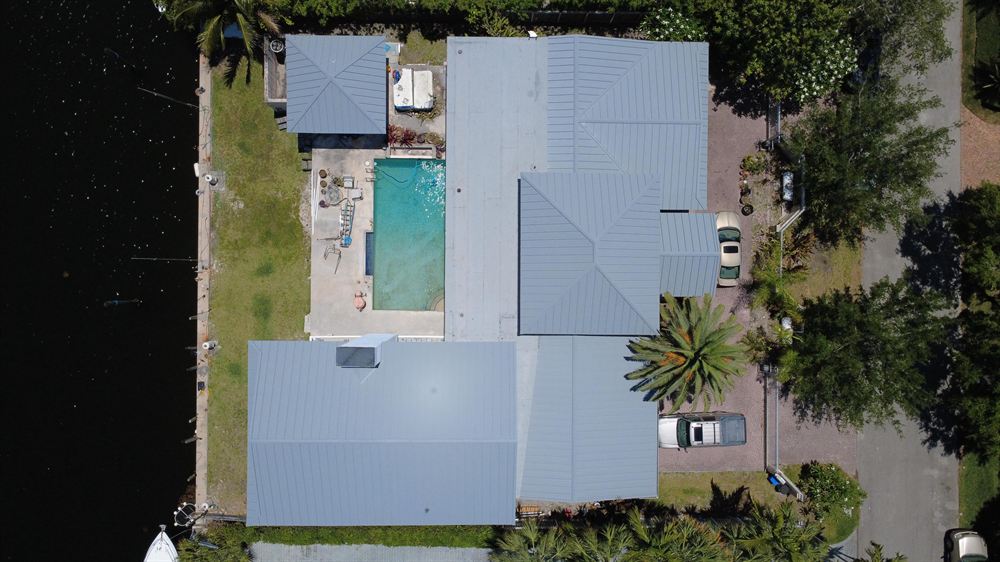
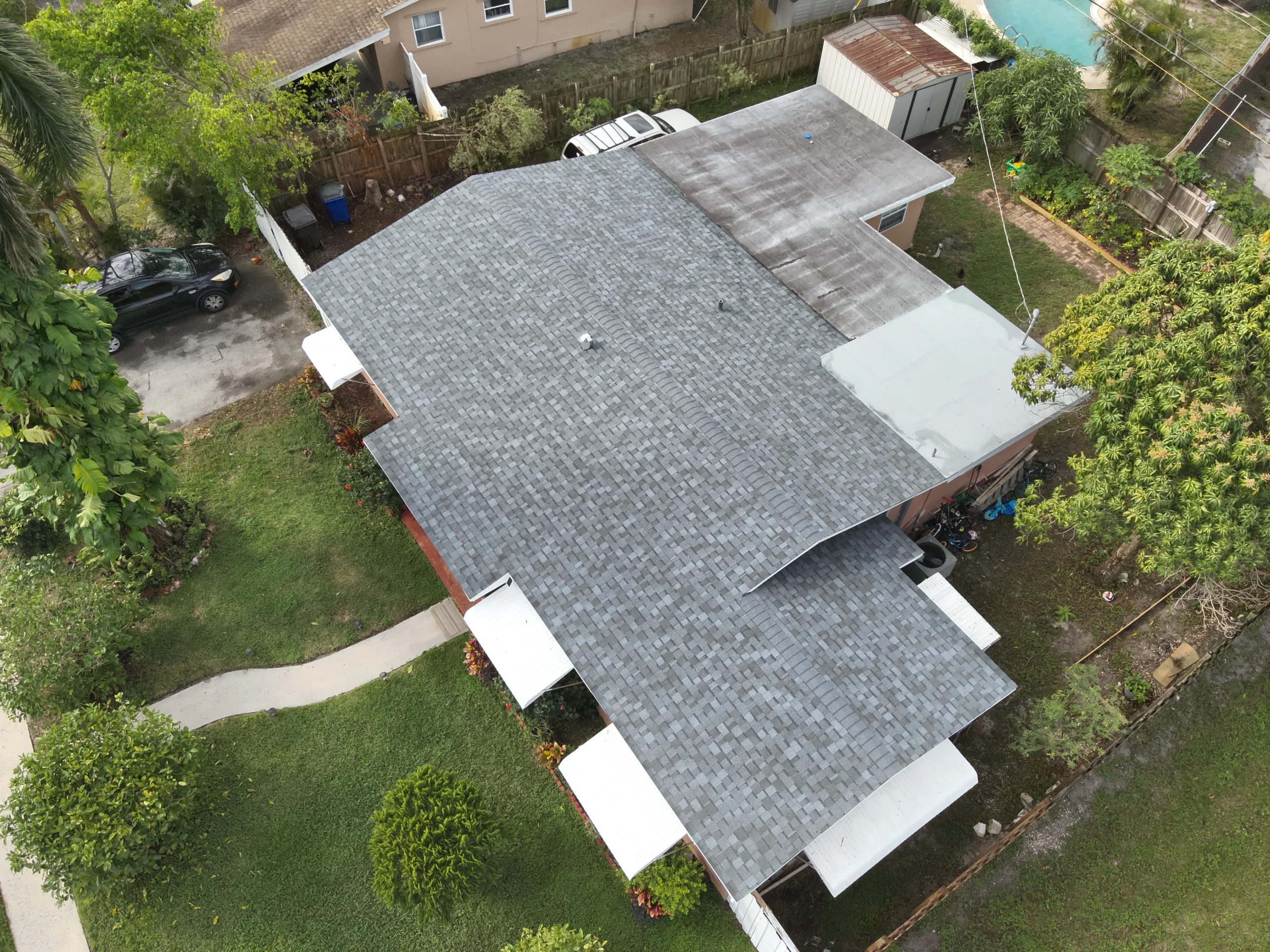
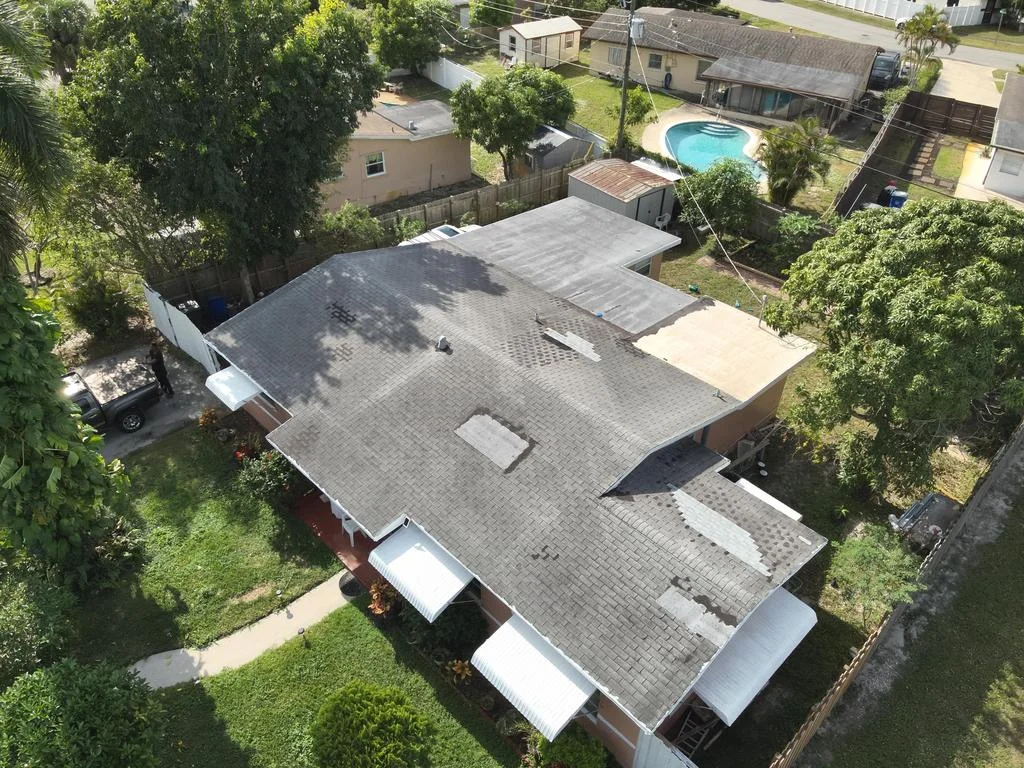
Before moving debris or making repairs, take photos and video of everything: the roof as visible from the ground, damaged gutters, fallen limbs or trees, broken windows, and any interior water stains or wet insulation. The National Association of Insurance Commissioners (NAIC) post-disaster claims guide recommends documenting losses before cleanup and keeping damaged items until the adjuster has seen them. Note the date, time, and what you believe caused the damage.
Common storm-related roof damage includes:
- Wind damage: missing, lifted, or creased shingles, displaced tiles, and loose or bent metal panels
- Hail damage: impact marks, bruising, and granule loss on shingles, plus dents in vents and flashing
- Fallen trees and branches: punctures, crushed sections, and debris impact
- Water intrusion: ceiling stains, damp attic insulation, and dripping from light fixtures
Step 4: Prevent Additional Damage Where It Is Safe
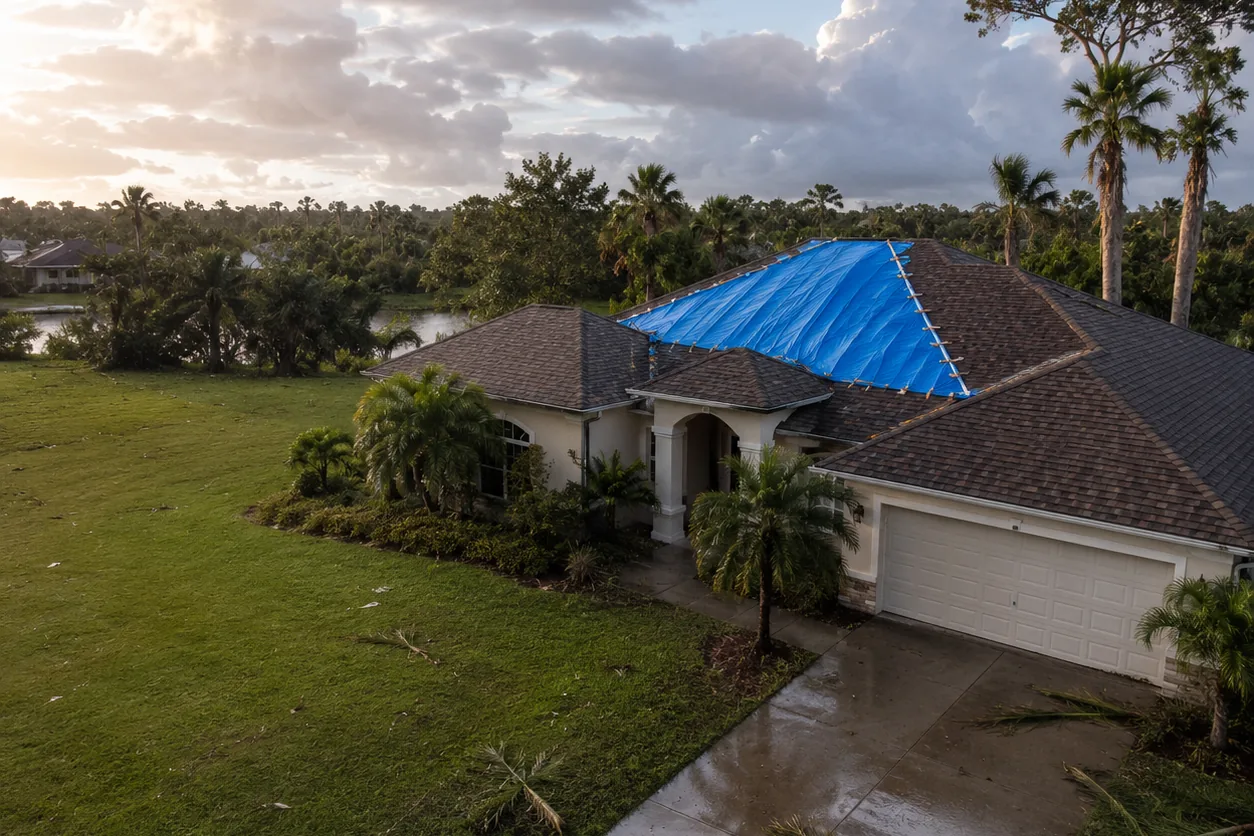
Most policies expect you to take reasonable steps to prevent further loss, and the cost of reasonable temporary protection is often addressed in the claim. That can mean covering a broken window, moving belongings away from a leak, or having a professional install an emergency tarp. Our guide to emergency roof tarping explains what a tarp can and can’t do. Keep every receipt. The Pennsylvania Insurance Department advises making immediate repairs needed to prevent further damage but holding off on permanent repairs until the insurer approves them, and the New Jersey Department of Banking and Insurance advises making necessary temporary repairs and saving all receipts.
Step 5: Review Your Policy
Your policy determines what is covered, so read the declarations page and the roof-related provisions. A few terms matter more than most:
| Term | Why it matters for a roof claim |
|---|---|
| Deductible | The amount you pay before coverage applies. Some Florida policies have a separate hurricane deductible that works differently from the standard one. |
| Actual cash value | Pays the value of the damaged item after depreciation. |
| Replacement cost | Pays to replace the item with a similar one without deducting depreciation. Payment timing and conditions are set by the policy. |
| Roof-specific provisions | Some policies treat older roofs or certain roofing materials differently. |
| Exclusions | Flood, for example, is typically covered under a separate policy. |
Not every policy is written the same way, so confirm the details with your agent or insurer rather than assuming.
Step 6: Contact Your Insurer
Report the claim as soon as you reasonably can, with your policy number and a good phone number and email. Ask what documentation they need and keep a log of every call: the date, the person you spoke with, and what was said. NAIC suggests keeping a claim diary for exactly this reason.
State rules also set timelines for insurers. In Florida, for example, Florida Statute 627.70131 sets claim-handling timelines for residential property insurers, including acknowledging a claim communication within a set number of days and paying or denying a claim within a set period after receiving notice. The statute includes exceptions and can change, so confirm the current wording with your insurer or the Florida Department of Financial Services. Pennsylvania and New Jersey have their own consumer guidance through their insurance departments.
Step 7: Schedule a Professional Roof Inspection
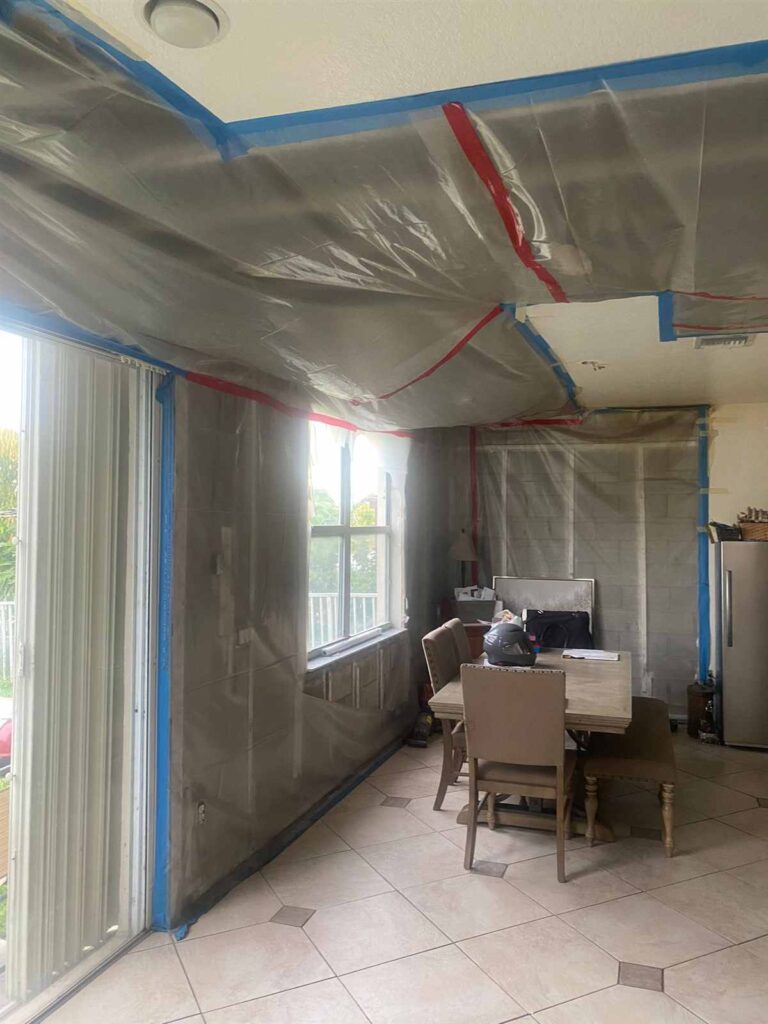
Storm damage is often not visible from the ground. A professional inspection documents the roof’s condition, identifies hidden breaches, and provides a written assessment of whether repair or replacement is needed. This is separate from the adjuster’s inspection. The adjuster works for the insurer; your roofing contractor’s report is an independent record of what the roof needs. Maze Roofing provides inspections with photo documentation as part of its storm damage roof repair and replacement service.
A contractor does not decide what an insurer pays, and Maze Roofing cannot file a claim for you or guarantee that a claim will be approved. A contractor can document damage clearly and coordinate with your adjuster on scope. Florida law also restricts contractors from waiving or rebating an insurance deductible, so be cautious of anyone who offers to cover yours. Our overview of storm damage and insurance claim support explains what documentation we provide and where our role ends.
Step 8: Keep Photos and Documentation Organized
Keep one folder, physical or digital, with photos, videos, receipts, the claim number, adjuster contact information, estimates, and correspondence. If you need supplemental documentation later, such as additional damage discovered during repairs, a clean record makes it much easier to explain what changed and when.
Step 9: Review the Adjuster’s Findings
The insurer will usually assign an adjuster to inspect the property. Be present if you can, point out the damage you documented, and ask questions. Afterward, compare the adjuster’s written findings with your contractor’s estimate. Differences are common. They can come from different scopes of work, different material assumptions, or damage found later. Share the contractor’s photo report and written scope with the insurer if you believe something was missed, and ask the insurer to explain any difference in writing. The Insurance Information Institute’s guide to settling claims after a disaster advises collecting written, itemized bids from licensed contractors and presenting them to the adjuster before repairs begin, and notes that if the first assessment proves incomplete, a second adjuster visit can be requested to reopen the claim for additional damage.
Step 10: Understand the Repair Scope
Before work begins, make sure you know what is being repaired or replaced, which materials will be used, how permits and inspections are handled, and what warranty applies. A repair-versus-replace decision should come from the roof’s condition and your policy, not from pressure. Ask for the scope in writing.
Key Points
- Safety comes first. Do not climb a storm-damaged roof or approach downed lines.
- Photograph and video the damage before cleanup, and keep damaged items until the adjuster has seen them.
- Take reasonable steps to prevent further damage and save every receipt.
- Read your policy: deductibles, actual cash value versus replacement cost, and exclusions affect what you receive.
- Coverage depends on your policy and your insurer. A roofing contractor cannot guarantee approval or dictate payment.
- Keep a claim log and one organized folder of documentation.
- Compare the adjuster’s findings with a professional roof inspection and ask for differences to be explained in writing.
Frequently Asked Questions
What should I do first after storm damage to my roof?
Make sure everyone is safe, stay off the roof, and avoid downed power lines. Then photograph the damage from the ground, protect belongings from water, and contact your insurer. If there is an active leak, arrange temporary protection such as an emergency tarp.
Should I get a roof inspection even if I do not see damage?
Yes. Storm damage is often hidden from the ground, and small breaches can let water in over time. A professional inspection documents anything storm-related and catches problems before they become leaks.
Will my insurance company cover roof damage from a storm?
It depends on your policy, the cause of the damage, and the insurer’s findings. Wind and hail are commonly covered perils, but exclusions, deductibles, and roof-age provisions vary. Read your policy and ask your insurer to explain how your coverage applies.
What is the difference between actual cash value and replacement cost?
Actual cash value pays the value of what was damaged, minus depreciation. Replacement cost pays to replace it with a comparable item without that deduction. Your policy states which applies to your roof and how payment is issued.
Can a roofing contractor file my claim or guarantee approval?
No. A roofing contractor can inspect, document damage, provide an estimate, and coordinate with your adjuster, but the insurer decides coverage and payment under your policy. Be cautious of any contractor who promises approval.
Talk to Maze Roofing About Storm Damage
If a storm has damaged your roof, Maze Roofing can inspect it, document what we find with photos, and give you an honest written recommendation on repair or replacement. We respond 24/7 to active leaks and emergency tarp calls. Contact your local Maze Roofing office to discuss storm damage, or call to schedule a free inspection.