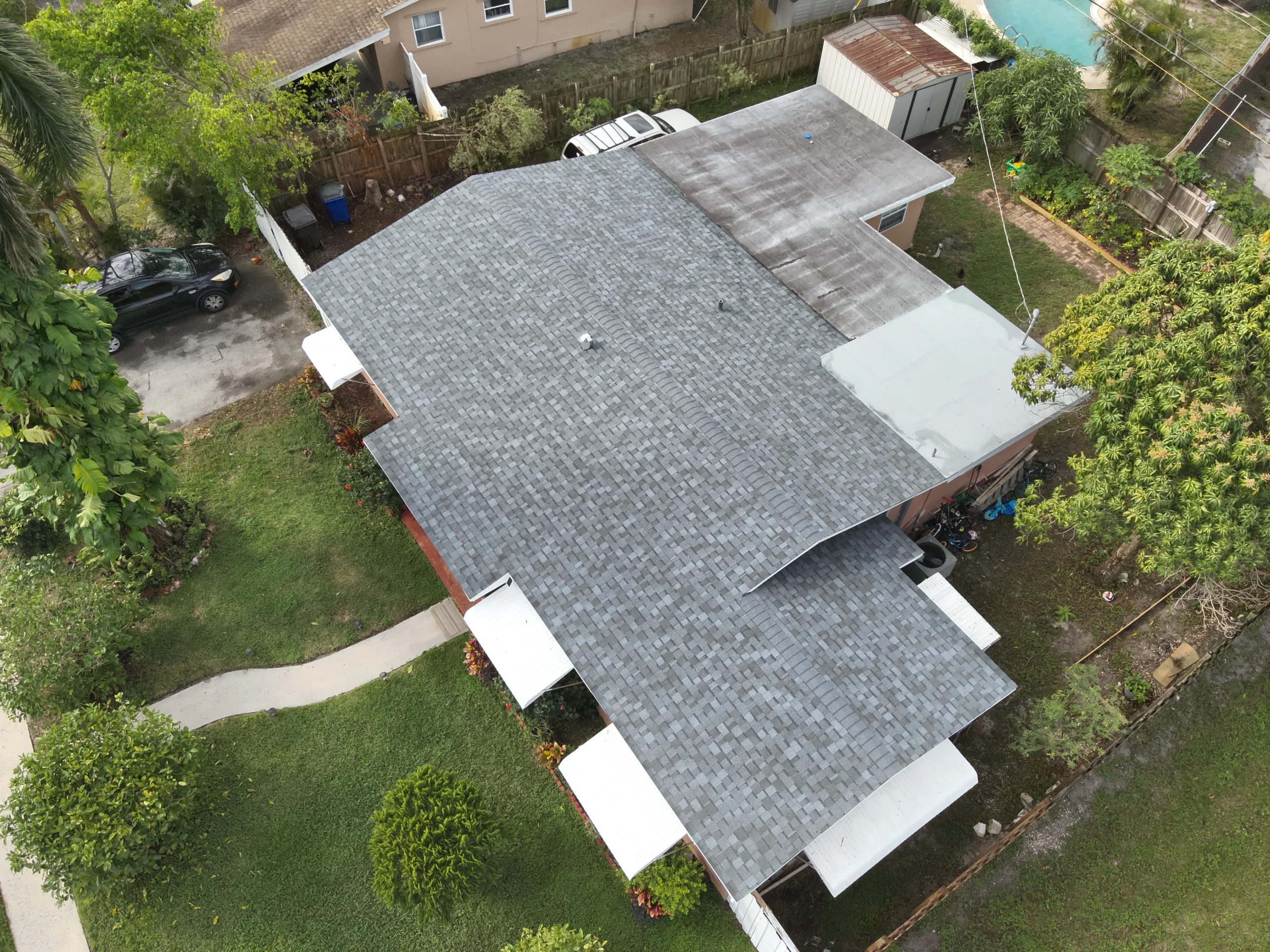
There is no single inspection interval that fits every roof. How often you should inspect a roof depends on its age, material, climate, storm exposure, and warranty requirements. A practical approach combines occasional visual checks from the ground, professional inspections at intervals that suit your roof, and an extra inspection after severe weather. Commercial roofs generally call for a more structured maintenance program than a typical home.
Overview
This article helps homeowners and commercial property managers decide how often to inspect a roof and which type of inspection to use. It explains the factors that change the answer, the difference between a visual check and a professional inspection, what you can safely observe from the ground, and when an extra inspection makes sense. It doesn’t provide a universal schedule, because no single one applies to every manufacturer, warranty, or climate. Where your documents specify a requirement, those documents take priority.
The Honest Answer: It Depends
If you are looking for a one-size-fits-all number, be skeptical of anyone who offers one as a rule. Different roofing materials, ages, and environments create different needs. The factors that matter most are:
- Roof age: older roofs are more likely to have worn components and benefit from closer attention.
- Roofing material: asphalt shingles, tile, metal, and flat membrane systems each fail differently.
- Climate: intense sun, heavy rain, salt air, hurricane exposure, freeze-thaw cycles, and snow load all affect how a roof ages.
- Storm exposure: a roof that has been through hurricanes, hail, or high winds needs a closer look than one that has not.
- Nearby trees: overhanging branches drop debris, scrape surfaces, and hold moisture against the roof.
- Residential vs. commercial use: commercial roofs have more penetrations, drains, and rooftop equipment.
- Manufacturer and warranty requirements: some warranties expect periodic inspections or documented maintenance.
- Known problems: drainage issues and prior repairs deserve more frequent attention.
The Insurance Institute for Business & Home Safety (IBHS) explains one reason age matters: roof coverings endure years of everyday weatherbefore an extreme event, and constant sun, temperature swings, and moisture gradually wear them down. Its research also shows that identical weather can age different products differently, so a single schedule cannot fit every roof.
A Reasonable Framework
Instead of a rigid rule, think in layers.
Layer 1: Visual Checks From the Ground
Look at your roof from the yard or street a few times a year, and after notable weather. Binoculars help. You are looking for visible changes rather than diagnosing causes.
Layer 2: Periodic Professional Inspections
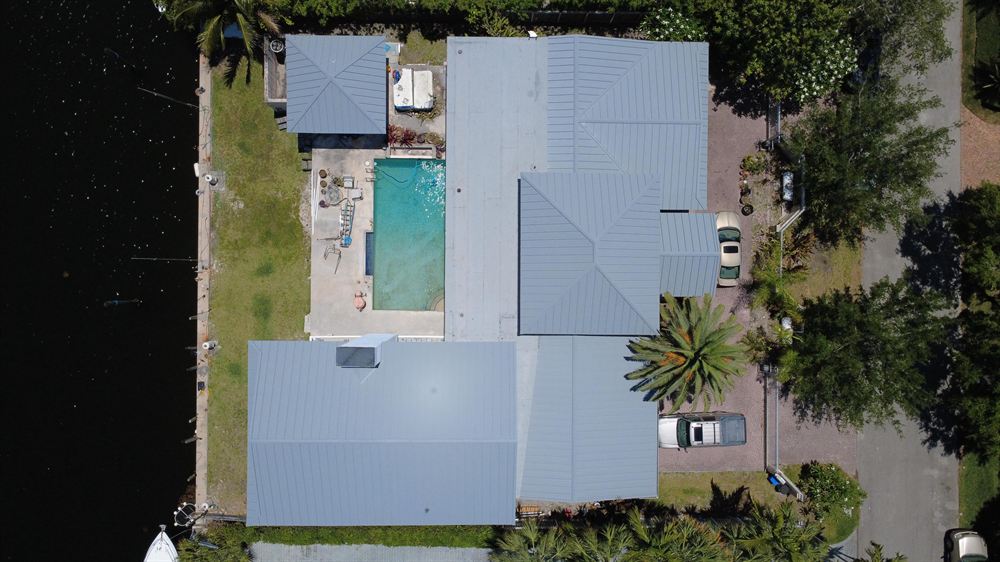
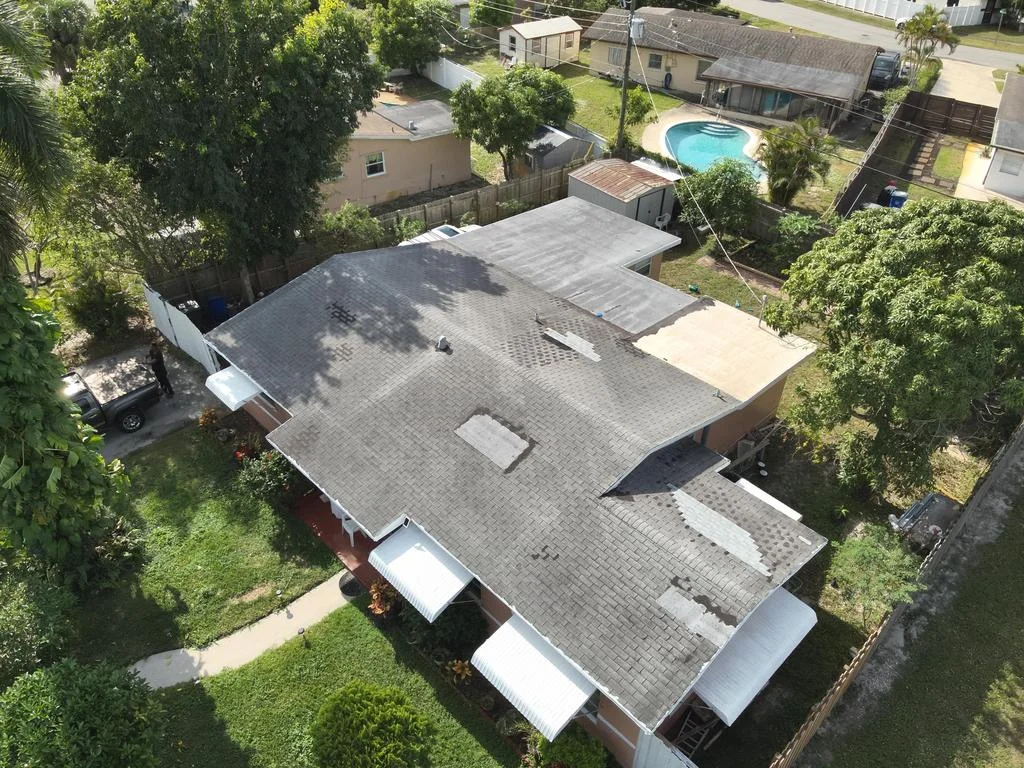
A professional inspection is the most reliable way to catch problems the ground-level view misses: lifted or cracked flashing, failing sealant, early signs of wear, and attic conditions. How often depends on the factors above. Check your warranty documents, which may state conditions for keeping coverage valid. Maze Roofing’s warranty page, for example, advises scheduling periodic inspections, addressing small repairs promptly, and keeping documentation on file as ways to protect coverage. Our guide to aerial drone roof inspections explains how inspections can be done without anyone walking the roof.
Layer 3: Inspections After Severe Weather
The National Roofing Contractors Association (NRCA) recommends inspection of all roofs affected by recent severe weather, regardless of how they look. Storm damage is often not visible from the ground, and a small breach can later turn into a leak. In Florida, that means after a hurricane or tropical storm and after strong thunderstorm winds. In Pennsylvania and New Jersey, it can mean after high-wind events, hail, or heavy ice and snow.
Layer 4: Commercial Maintenance Programs
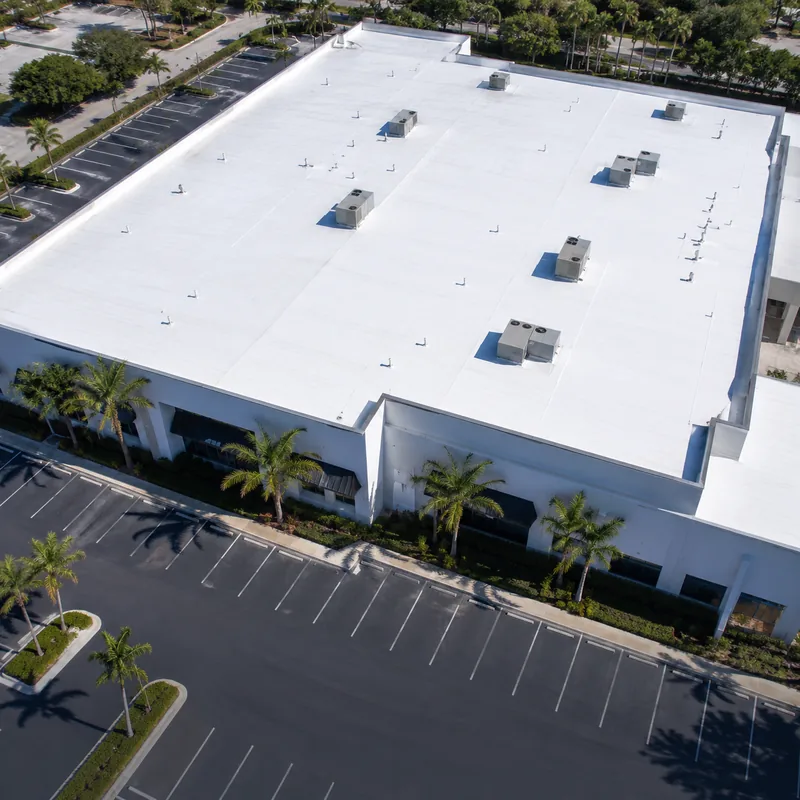
For commercial roofs, a one-time inspection is usually not enough. A maintenance program typically includes scheduled inspections, drain and gutter clearing, seam and flashing checks, minor repairs, and documented condition reports. Maze Roofing’s commercial roof maintenance service is structured this way, with photos and reports after every visit, which also helps document the roof’s condition for warranty purposes.
Safe Ground-Level Observations
You can learn useful things without leaving the ground. NRCA advises homeowners to inspect roofs only from the ground because the risk of falling is too great without proper safety systems. The Occupational Safety and Health Administration (OSHA) emphasizes the severity of fall hazards in residential roofing in its fall protection fact sheet. Do not climb onto your roof, and do not lean a ladder on a wet or damaged roof edge.
From the ground, look for:
- Missing, lifted, curled, or cracked shingles, or displaced tiles
- Visible sagging or uneven roof lines
- Damaged or bent gutters and downspouts
- Granules, debris, or leaves collecting in gutters
- Stained or peeling soffits and fascia
- Moss, algae, or vegetation growth
- Exposed or loose flashing around chimneys and vents
Inside, check ceilings and attic spaces, if you can do so safely from a stable floor, for stains, damp insulation, musty odors, or daylight where it should not be. Do not step on attic insulation or unframed ceiling.
When to Inspect Sooner
Do not wait for a routine date if any of these happen:
- A severe storm, hurricane, hail, or high-wind event
- A new leak, ceiling stain, or damp insulation
- A tree limb strikes the roof
- Rooftop equipment is installed or serviced
- You are buying or selling a property
- Your insurance or warranty requires documentation
What a Professional Inspection Should Include
A thorough inspection looks at the roof covering, flashing, penetrations, valleys, drainage, gutters, and visible roof deck conditions, along with attic conditions where accessible. It should result in documentation you can keep, such as photos and a written summary of condition and recommended work. A recommendation should be honest about whether repair, maintenance, or replacement is the practical option.
Residential and Commercial Differences
A single-family home’s roof has relatively few penetrations and a straightforward drainage path. A commercial flat roof typically has drains, scuppers, HVAC curbs, vents, and many seams, plus foot traffic from service technicians. These details make periodic, documented inspections and preventive maintenance more important for commercial properties. If you manage a commercial building, ask for a maintenance plan rather than treating inspection as a one-off event.
Key Points
- No single inspection interval fits every roof; age, material, climate, storm exposure, trees, use, warranty, and known problems all matter.
- Combine ground-level visual checks, periodic professional inspections, and post-severe-weather inspections.
- Check manufacturer and warranty documents for specific inspection or maintenance requirements.
- Commercial roofs generally benefit from a documented maintenance program, not just occasional inspection.
- Never climb a roof to inspect it. Use binoculars and ground-level observation, and leave the roof surface to professionals.
- Inspect sooner after storms, new leaks, tree strikes, equipment work, or a property sale.
Frequently Asked Questions
How often should a roof be professionally inspected?
There is no universal interval. It depends on roof age, material, climate, storm exposure, and any warranty requirements. A reasonable approach is to schedule periodic professional inspections, inspect after severe weather, and follow the schedule in your manufacturer or workmanship warranty, if one is specified.
Should I inspect my roof after a storm?
Yes. NRCA recommends inspection of all roofs affected by severe weather, regardless of appearance, because storm damage is often not visible from the ground.
Can I inspect my own roof?
You can look at it from the ground and check ceilings and attics from a safe position. Do not climb onto the roof. NRCA advises ground-level inspection only for homeowners because of the fall risk.
Do commercial roofs need more frequent inspections than homes?
Often they benefit from more structured attention. Commercial roofs have drains, seams, rooftop equipment, and foot traffic, and a documented maintenance program with scheduled inspections helps catch small problems before they spread.
What should I do if my warranty requires inspections?
Follow the warranty terms and document each inspection and repair. Warranty conditions vary by manufacturer and by contractor, so read your documents or ask the company that issued them.
Get Clear Answers About Your Roof Condition
Whether it’s been years since your last roof inspection or you just want a reliable baseline, a professional assessment gives you facts, not guesses. Maze Roofing offers free roof inspections with photo documentation for homes and commercial properties across its service markets. Commercial clients can also ask about scheduled maintenance options. Schedule a roof inspection with your local Maze Roofing office today.