Choosing a new roof is one of the larger investments you will make in a property. When it comes down to architectural asphalt shingles versus standing seam metal roofing, there is no one-size-fits-all winner.
Asphalt shingles are generally the choice for lower upfront cost and a wide range of classic styles. Metal roofing generally requires a higher initial investment and offers a different set of strengths in longevity, appearance, and wind performance. The right choice depends on your budget, regional climate, roof slope, and how long you plan to stay in your home.
This guide compares both materials across the factors that matter most so you can make an informed decision.
At a Glance: How They Stack Up
| Factor | Architectural asphalt shingles | Metal roofing systems |
|---|---|---|
| Upfront cost | Generally lower | Generally higher |
| Service life | Varies widely by product, ventilation, and climate | Often longer; varies by metal, coating, and installation |
| Wind resistance | Depends on shingle rating, nail pattern, and sealing | Depends on panel system, clips, and fastening |
| Maintenance | Periodic inspection; repair of cracked or lifted shingles | Periodic check of fasteners, flashing seals, and finish |
| Coastal performance | Does not corrode; relies on sealing, fastening, and flashing | Needs corrosion-resistant metals, finishes, and fasteners |
| Cool roof potential | Reflective granules available | Reflective finishes available |
| Hail and impact | Impact-resistant options exist; ratings vary by product | Dents are possible and are often cosmetic |
| Weight | Moderate | Generally lighter than tile; varies by system |
These are general tendencies. Product specifications and installation details can change any row.
Upfront Investment vs. Long-Term Value
For most homeowners, price comes first. Asphalt shingles are the most common residential roofing material because materials and labor generally cost less.
Metal roofing involves specialized installation labor, trim components, and premium base materials, so it generally costs more at the start. How that trade-off works out depends on how long you will own the property:
- Shorter horizon: If you plan to sell within several years, a lower-cost shingle roof may be the more practical fit.
- Longer horizon: A longer-lasting roof can spread its cost over more years, but only if it is installed correctly and maintained.
Costs vary widely with roof pitch, valleys, size, and material grade, so we don’t quote prices in articles. A written estimate based on an on-site inspection is the reliable way to compare options for your property.
Real-World Lifespan: Why Calendar Age Can Be Deceiving
Neither material comes with a guaranteed lifespan. Ventilation, installation quality, climate, and storm exposure all affect how long a roof lasts. The Insurance Institute for Business & Home Safety (IBHS) points out that roof coverings experience everyday weather for years before facing an extreme event, and its research found significant product-to-product variability, so identical weather can age different products very differently.
Metal roofs depend heavily on their fasteners, sealants, finish, and flashing. An improperly installed metal roof can leak long before the panels themselves wear out. For lifespan ranges by material, see our guide on how long roofs last.
Storm and High-Wind Performance
Wind uplift matters anywhere severe storms occur, from hurricanes in South Florida to strong thunderstorms in Greater Philadelphia and South Jersey.
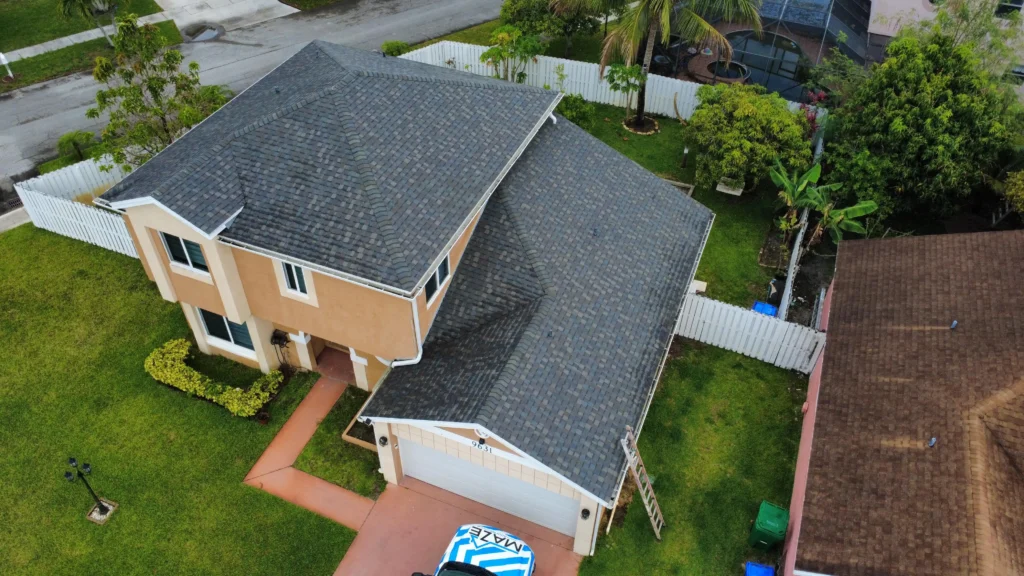
- Asphalt shingle systems: Wind performance depends on the shingle’s wind rating, the nailing pattern, the starter strip, and the seal strips that bond shingles together. See how wind-rated installations are approached on our shingle roofing systems page.
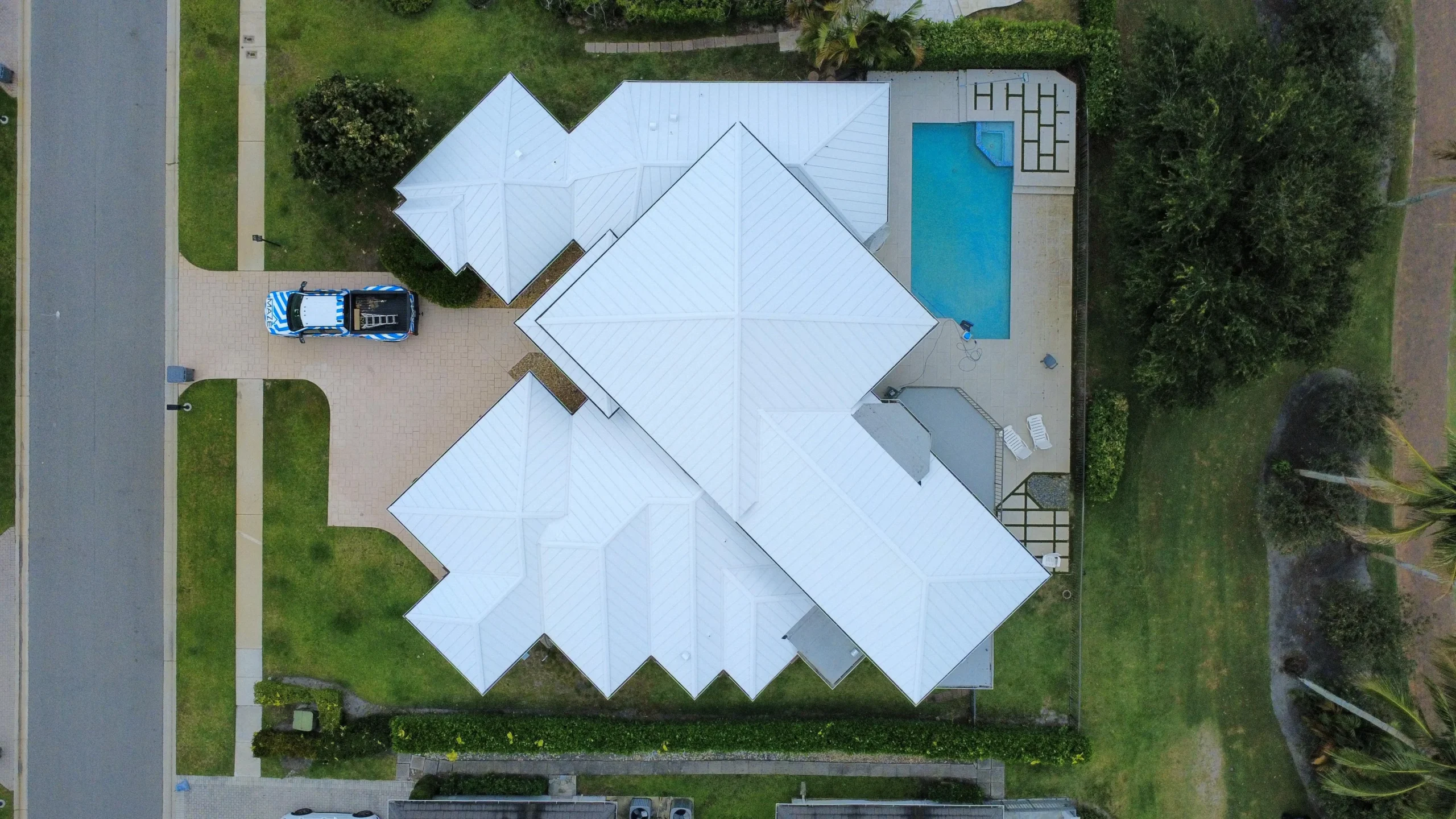
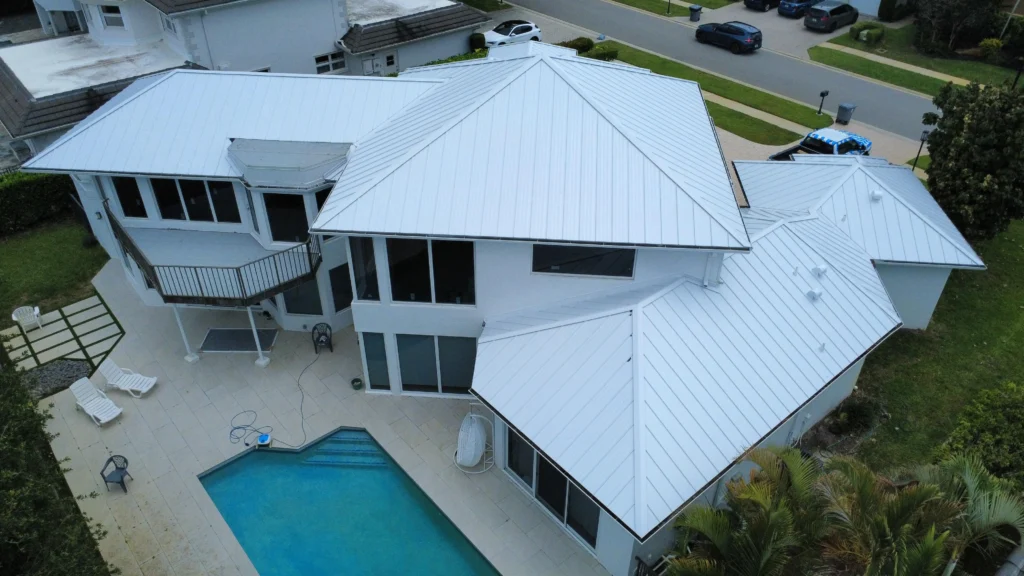
- Metal panel systems: Standing seam systems with concealed fasteners can offer strong wind resistance because panels interlock, but results depend on the panel profile, clip and fastener spacing, and edge and ridge detailing.
Local Building Codes Matter
In hurricane-prone areas, roofing products generally must carry approval documentation. In Florida, that is handled through the statewide Florida Product Approval system, with stricter requirements in the High-Velocity Hurricane Zone (HVHZ), which covers Miami-Dade and Broward counties. Confirm that the specific product and installation method meet the code that applies at your address before signing a contract.
Energy Efficiency and Cool Roof Options
A common myth is that metal roofs heat a home like an oven while shingles stay cooler. In practice, both materials can be chosen with reflectivity in mind. The U.S. Environmental Protection Agency describes cool roof options for steep-slope roofs that include reflective granule shingles and metal shingles with reflective coatings.
Actual utility savings depend on attic insulation, ventilation, and HVAC efficiency, not on surface material alone, so we don’t promise a percentage.
Coastal Durability: Salt Air, Corrosion, and Moisture
Properties near the ocean face salt spray and humidity.
- Asphalt shingles: They don’t corrode, but they depend on correct sealing and fastening, and the metal flashing and fasteners that go with them can still be affected by salt exposure.
- Metal roofing: The metal type, protective finish, and fasteners matter. Cut edges and exposed fasteners are common starting points for corrosion if they aren’t protected. Distance from the ocean, finish, and maintenance all influence risk. If you’re considering metal near the coast, our metal roof replacement page explains how that project is approached.
Myth-Busting: Noise, Weight, and Hail
Is Metal Roofing Too Noisy in the Rain?
Not necessarily. Noise is influenced by the underlayment, the deck, and the attic insulation beneath the metal. A well-installed system over solid decking often sounds quieter than people expect.
Will Metal Stress My Home’s Structure?
Metal roofing is often lighter than concrete or clay tile, and weight varies by system. If structure is a concern, ask your installer for the weight of the specific system.
How Do They Handle Hail?
Both materials can handle storm impacts when specified correctly. Impact-resistant shingles are tested to standardized ratings that vary by product, and IBHS has reported significant differences among products tested. Metal panels resist punctures well, though severe hail can leave cosmetic dents, particularly on lighter-gauge panels.
Aesthetics, Architecture, and HOA Restrictions
Beyond performance, the roof is a major part of a home’s exterior look.
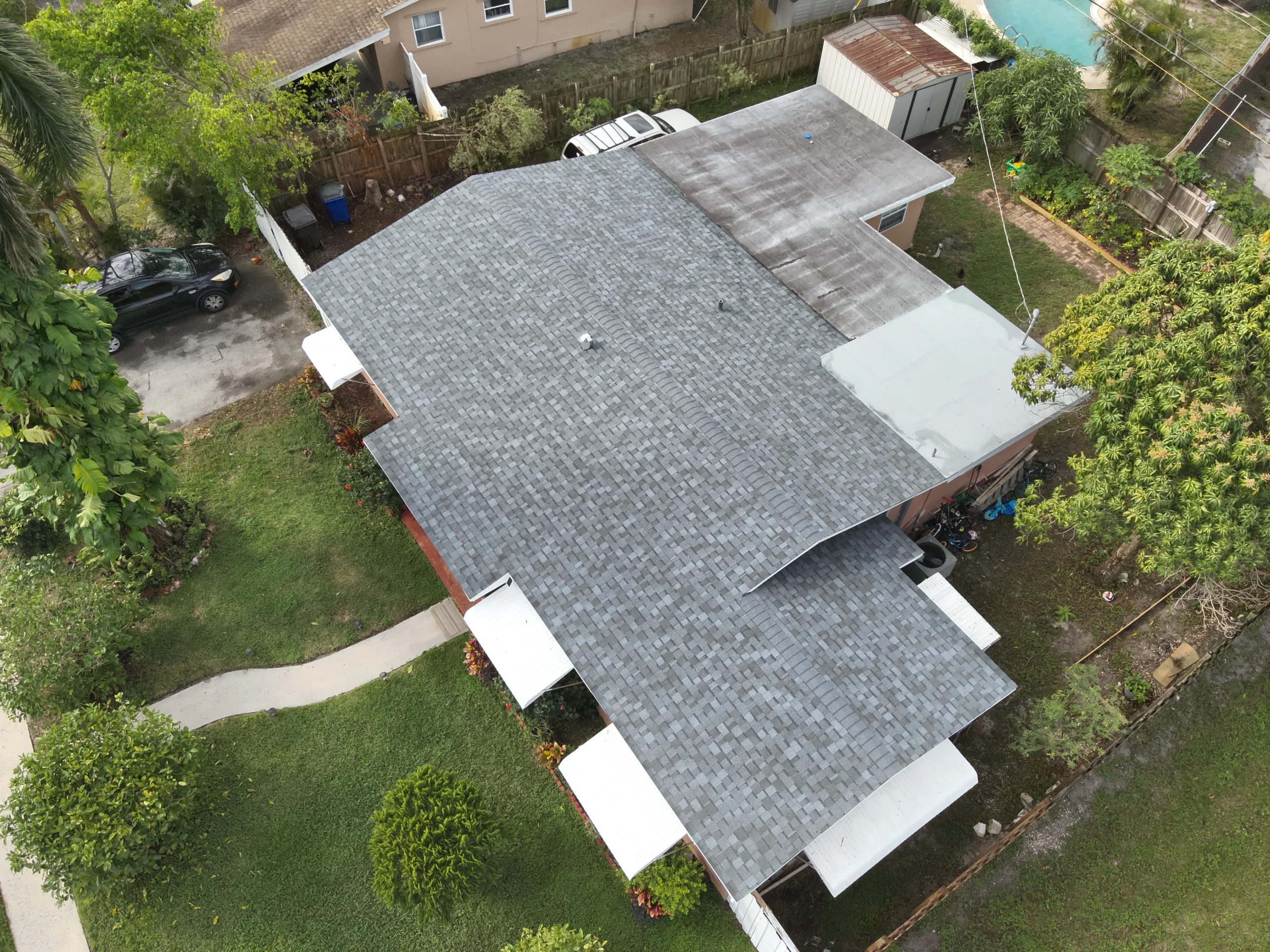
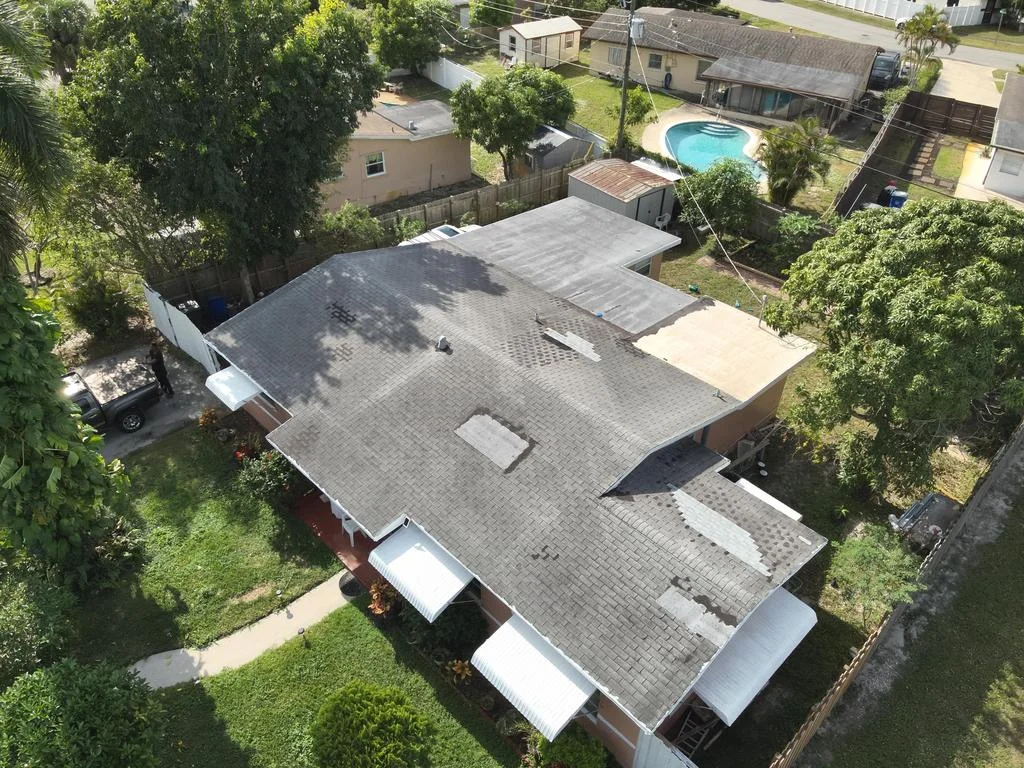
- Architectural shingles: Offer dimensional depth and classic earth tones that blend into traditional neighborhoods.
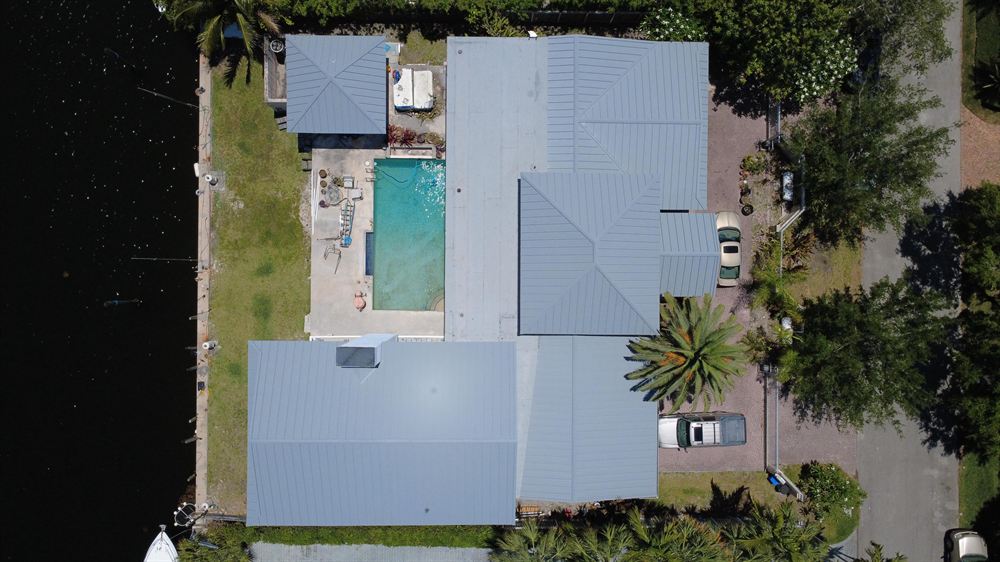
- Metal roofing: Delivers clean vertical lines that suit modern, farmhouse, and coastal designs.
Before finalizing a choice, check your homeowners association or local historic-district guidelines. Some communities restrict metal roofing colors or panel types.
Sustainability and End-of-Life Impact
Many metal roofing products contain recycled content and can be recycled at the end of their life, while shingle recycling availability varies by location. If sustainability matters to you, ask about both options.
How to Decide: A 4-Step Action Plan
- Consider your timeframe: The longer you expect to own the home, the more a long-lasting system may be worth. If immediate affordability matters most, shingles are often the practical fit.
- Evaluate your roof’s geometry: Complex roofs with many dormers, valleys, and skylights take more labor to flash cleanly in metal than in asphalt.
- Review local climate demands: High-wind zones and intense sun reward careful system design, whichever material you choose.
- Get professional side-by-side estimates: Request an on-site inspection and written estimates for both systems from a licensed contractor.
Frequently Asked Questions
Which is cheaper: asphalt shingles or metal roofing?
Asphalt shingles are generally less expensive to install up front, while metal generally costs more. A longer service life can offset some of that over time, but exact costs depend on your roof’s size, complexity, and materials, so request written estimates for both.
Can you put a metal roof over existing asphalt shingles?
Not every jurisdiction allows a new roof covering over an existing one, and it depends on the condition of the existing roof. Many installers recommend removing the old roof so the deck can be inspected and any damage repaired.
Is a metal roof better in a hurricane?
It depends on the system. Both metal and shingle roofs can be designed and installed to resist high winds, and both can fail if the product, fastening, or deck attachment is wrong. Confirm that the specific product and installation method meet the code requirements at your address.
Will a new roof lower my homeowner’s insurance premiums?
It may. Some insurers offer discounts for wind-mitigation features or impact-resistant roofing, but eligibility and amounts depend on the insurer and your policy, so ask your agent before you choose.
Ready to Compare Options for Your Home?
Whether you prefer the versatility of architectural shingles or the long-term strength of metal, Maze Roofing provides expert guidance and careful installations across South Florida, Tampa Bay, Southwest Florida, Greater Philadelphia, and South Jersey, with written estimates and honest recommendations. Schedule your free roof inspection and comparison to review your options.