
Quick Answer
What are the pros and cons of asphalt shingles?
Asphalt shingles cover roughly 70% of American homes because they are affordable, straightforward to install and repair, available in a wide range of styles, and carry solid fire and wind ratings. The trade-offs are a shorter lifespan than metal or tile at 15 to 30 years, sensitivity to rapid temperature swings, vulnerability to hail and high wind, and a petroleum-based environmental footprint. Architectural shingles cost more than 3-tab but last longer and resist wind better.
Asphalt shingles remain the most popular residential roofing material across North America, covering over 70% of single-family homes. Homeowners frequently choose this option due to its striking balance between affordability, aesthetic versatility, and reliable weather protection. However, like any building material, asphalt shingles come with specific trade-offs regarding lifespan, environmental impact, and vulnerability to severe storm conditions. Understanding the comprehensive advantages and disadvantages of asphalt shingles empowers property owners to make well-informed investments when planning a roof replacement or new installation.
Key Takeaways
- Budget-Friendly Initial Cost: Asphalt shingles offer one of the lowest upfront installation costs among all major roofing materials.
- Versatile Aesthetic Options: Available in 3-tab, architectural, and luxury styles that can imitate natural slate or wood shake.
- Moderate Lifespan: Typically lasts between 15 to 30 years depending on climate, material quality, and proper attic ventilation.
- Maintenance Needs: Susceptible to wind uplift, moss growth, and heat damage in extreme environments over time.
- Recyclability Improvements: Older shingles contribute to landfill waste, but modern programs increasingly support asphalt shingle recycling for road pavement.
What Are Asphalt Shingles?
Asphalt shingles are composite roofing units constructed from a base mat, usually made of woven fiberglass, coated with waterproof asphalt and topped with ceramic-coated mineral granules. The fiberglass base provides tear resistance and structural strength, while the asphalt layer seals out moisture. The granules protect the underlying asphalt from degrading ultraviolet (UV) rays and supply the shingle with its distinct color and texture.
Roofing manufacturers produce three primary categories of asphalt shingles, each offering varying levels of durability, depth, and performance:
- 3-Tab Shingles: The most basic and economical option, featuring a flat, uniform single-layer appearance.
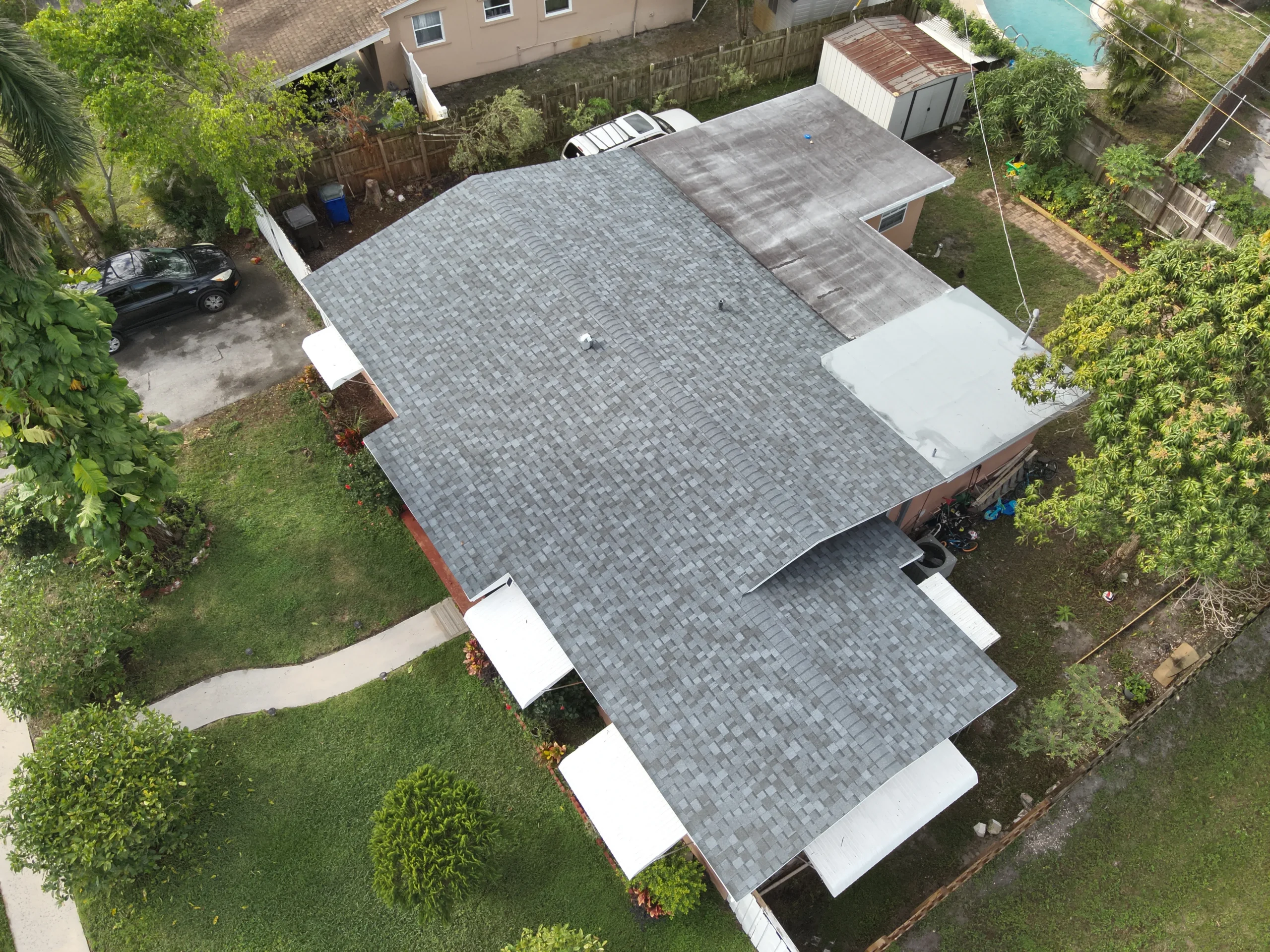
- Architectural (Dimensional) Shingles: Formed by laminating multiple layers together, creating a rich, dimensional look with enhanced wind resistance.
- Luxury (Dimensional/Premium) Shingles: Extra-thick architectural shingles designed to emulate slate tiles or wood shakes while offering maximum impact resistance.
Pros of Asphalt Shingles
1. Cost-Effectiveness and High Value
The primary driver behind the popularity of asphalt shingles is their affordability. Compared to premium alternatives like slate, clay tile, or standing seam metal roofing, asphalt shingles carry significantly lower upfront material and labor expenses. According to cost guidelines published by the U.S. Department of Housing and Urban Development (HUD), asphalt shingle roofing provides one of the most accessible price points for standard single-family residential properties, making complete replacements budget-friendly for most homeowners.
2. Straightforward Installation and Repair
Asphalt shingles are relatively lightweight and easy to handle, which speeds up the installation process for certified contractors. Faster installation directly translates to lower overall labor costs. Additionally, if localized damage occurs, such as shingles getting torn away during a severe rainstorm, a qualified professional can easily perform a quick roof repair service without needing to dismantle large sections of the surrounding roof structure.
3. Wide Variety of Styles and Colors
Modern asphalt shingles come in a diverse palette of colors, textures, and profiles. Architectural shingles can mimic the luxurious depth of natural slate or cedar shake at a fraction of the weight and cost. This aesthetic flexibility allows homeowners to match virtually any architectural style, enhancing curb appeal and overall property value.
4. Solid Fire and Wind Resistance Ratings
Quality asphalt shingles often carry high safety performance ratings. Most modern fiberglass-based shingles hold a Class A fire rating, which represents the highest level of fire resistance under UL Safety Standards. Furthermore, specialized architectural shingles equipped with heavy-duty adhesive strips are rated to withstand wind speeds up to 130 mph when installed to exact manufacturer specifications.
Cons of Asphalt Shingles
1. Shorter Lifespan Compared to Premium Materials
While asphalt shingles offer strong economic value, their operational lifespan is shorter than alternatives like metal or tile. Standard 3-tab shingles typically last 15 to 20 years, whereas architectural shingles last 22 to 30 years under optimal conditions. In contrast, metal roofs can easily surpass 50 years, and natural slate can last over a century.
2. Sensitivity to Extreme Temperature Fluctuations
Asphalt shingles expand and contract as temperatures rise and fall. Rapid temperature swings can cause thermal shock, leading to cracking, granule loss, and premature aging over time. In warmer or coastal climates, intense UV exposure speeds up the drying out of essential asphalt oils, making shingles brittle over time. Research detailed by the National Renewable Energy Laboratory (NREL) emphasizes how thermal stress on dark building materials speeds up material degradation, highlighting the need for proper attic ventilation to manage roof deck temperatures.
3. Vulnerability to Severe Weather Damage
High-velocity winds can lift, crease, or detach individual shingles, leaving the underlayment exposed to water intrusion. Heavy hail strikes can knock off ceramic granules, exposing the underlying asphalt mat to accelerated UV degradation. Homeowners in harsh storm zones must regularly schedule professional inspections to catch granule erosion and sealant seal failures early.
4. Environmental Footprint and Thermal Retention
Traditional asphalt shingles are derived from petroleum products, and discarded roofing materials historically represent a notable percentage of annual construction waste sent to landfills. However, industry initiatives promoted by the U.S. Environmental Protection Agency (EPA) actively encourage asphalt shingle recycling into hot-mix asphalt for highway construction. Additionally, standard dark shingles absorb solar heat, which can raise attic temperatures if high-efficiency cool-roof technology or proper ventilation is not installed.
Asphalt Shingles vs. Alternative Roofing Materials
| Roofing Material | Expected Lifespan | Relative Cost | Maintenance Needs | Best Suited For |
| Asphalt Shingles | 15 – 30 Years | Low to Moderate | Low to Moderate | Versatile budgets, standard pitch roofs |
| Metal Roofing | 40 – 70 Years | Moderate to High | Very Low | High wind regions, long-term longevity |
| Clay / Concrete Tile | 50 – 100 Years | High | Moderate | Historic or high-end architectural styles |
| Flat / TPO Roofing | 20 – 30 Years | Moderate | Regular Inspections | Low-slope residential or commercial roofs |
Frequently Asked Questions (FAQ)
How do I know when my asphalt shingle roof needs replacement?
Key warning signs include curling or cupping shingle edges, bald spots with missing granules in gutters, cracked or missing shingles, and visible sag along the roofline. If your roof is over 20 years old, booking a professional inspection is recommended.
Can you install new asphalt shingles over existing shingles?
While “overlaying” or installing a second layer of shingles is legally permitted in some jurisdictions, most roofing experts recommend a complete tear-off. Removing the old shingles allows contractors to inspect the underlying wooden decking for hidden water damage or rot before installing new materials.
Are architectural shingles worth the extra cost over 3-tab shingles?
Yes, architectural shingles are generally worth the upgrade. They feature a multi-layered design that increases wind uplift resistance, provides longer warranty coverage, and enhances curb appeal compared to standard single-layer 3-tab options.
What causes asphalt shingles to lose their granules?
A small amount of granule loss is normal on brand-new roofs right after installation. However, progressive granule loss on an older roof is driven by natural weather exposure, intense UV rays, severe hail impacts, or aging asphalt binder loss.
How does attic ventilation affect asphalt shingle life?
Proper attic ventilation prevents trapped heat and moisture from cooking shingles from underneath. Poor ventilation leads to premature blistering, roof deck rotting, increased cooling utility costs, and potential voiding of manufacturer warranties.
Schedule Your Professional Roof Inspection Today
Choosing the right roofing material requires balancing your budget, performance expectations, and architectural style. Whether you need an honest evaluation of your current shingle roof, a spot repair, or a complete system upgrade, working with licensed local professionals ensures peace of mind. Contact the experienced team at Maze Roofing today to schedule a comprehensive roof evaluation and receive a detailed, transparent project estimate.