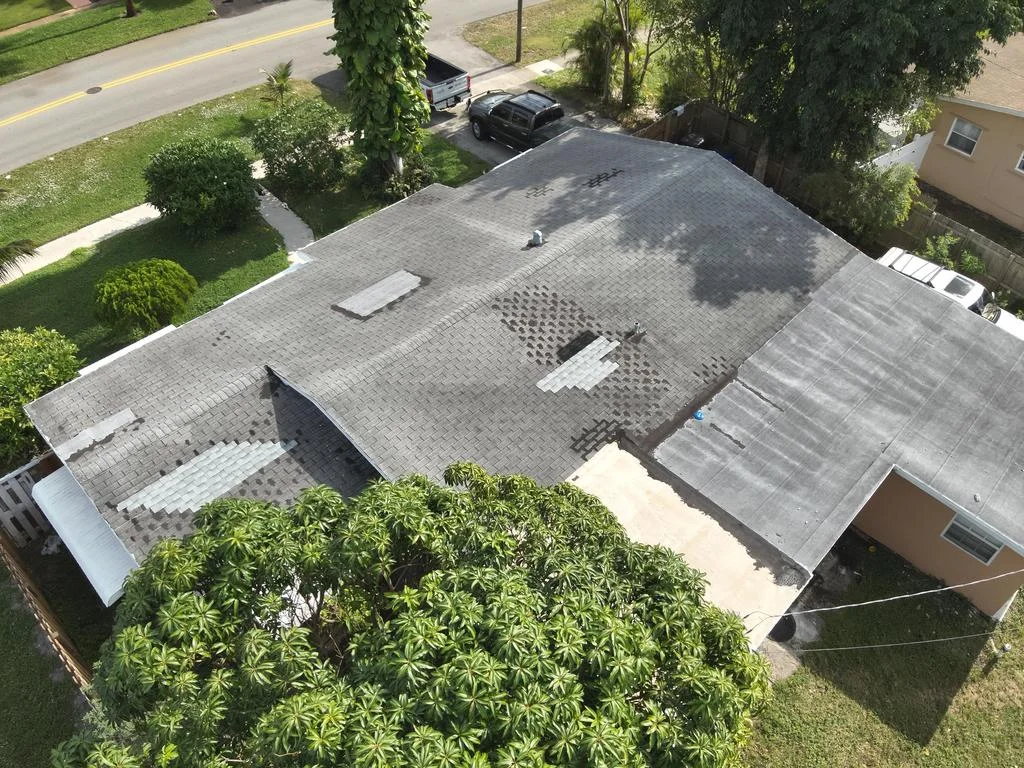
A roof rarely fails without warning. Long before a major leak ruins a ceiling or damages framing, it usually gives off subtle clues: water spots that keep reappearing after minor fixes, shingles curling at the edges, loose flashing, or repair bills that creep up season after season.
This guide breaks down ten warning signs that a roof may be nearing the end of its useful life, and how to tell the difference between a minor, fixable issue and wear that makes replacement the more practical choice.
Why Age Isn’t the Only Factor in Roof Lifespan
Calendar age is a useful starting point, but it won’t tell you the whole story. Two roofs installed on the same day can age at very different speeds depending on several factors:
- Attic ventilation: Trapped heat and moisture in a poorly vented attic can speed up shingle aging from the inside.
- Climate and weather exposure: Coastal storms, strong UV, heat, and freeze-thaw cycles all accelerate wear in different ways.
- Installation quality and materials: Quality underlayment and roofing installed correctly by trained crews generally outlast shortcuts.
- Maintenance and inspection: Routine gutter cleaning and prompt small repairs help a roof perform for longer.
The Insurance Institute for Business & Home Safety (IBHS) notes that roof coverings spend years in everyday weather before facing an extreme event, and its research found significant product-to-product variability even under identical weather. A hands-on evaluation gives a far clearer picture than a calendar date. For lifespan ranges by material, see our guide on how long roofs last.
The 10 Warning Signs Your Roof Is Reaching Its Final Years
1. Water Intrusion Keeps Returning
A single leak after a major hurricane or hailstorm is often isolated. When leaks keep returning or show up in several places after patching, the roof system may be showing broader fatigue, such as worn underlayment, deteriorated flashing, or fastener problems beneath the surface.
2. Curling, Buckling, and Cracked Shingles
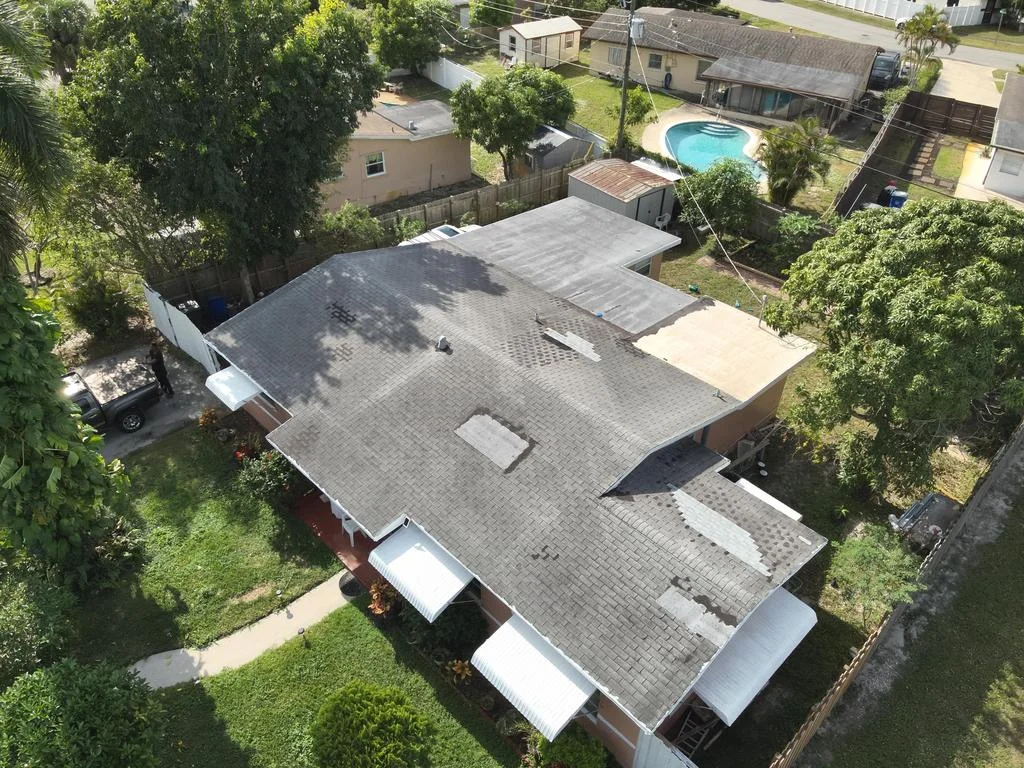
As asphalt shingles age, they lose flexibility. You may see edges cupping upward, shingles buckling, or cracks running across individual shingles. IBHS lists curling edges, blistering, buckling, and unsealing among the visible indicators of an aging shingle roof.
- Isolated: Replacing a few damaged shingles after high winds is a normal repair.
- Widespread: When curling or cracking is spread across much of the roof rather than a few shingles, the roof covering is likely aging out.
3. Missing Shingles, Tiles, or Metal Panels in Ordinary Weather
Losing a shingle in an extreme storm is expected. If ordinary breezes leave shingles, tiles, or metal panels scattered across the yard, the adhesive seals or fasteners may no longer be holding.
4. Granules in the Gutters
Asphalt shingles are coated with mineral granules that protect the asphalt from sunlight. A new roof sheds a few loose granules at first, but thick accumulations in gutters or at downspouts on an older roof, or bare spots where the dark asphalt shows through, mean the protective surface is wearing away.
5. Flashing Failure: Rust, Gaps, and Deteriorated Seals
Flashing seals the intersections where roof planes meet walls, chimneys, skylights, and vent pipes. Rusted metal, cracked caulk, or flashing pulling away from a wall lets water in unseen. A single failed flashing can often be repaired, but repeated failures across the roof point to a bigger problem. Learn more in our article on signs of poor roof flashing installation.
6. Sagging Lines Along the Ridge or Rafters
A sagging ridge or visible dips between rafters can mean moisture has weakened the decking or framing. A sagging roofline needs prompt evaluation by a qualified professional before more damage occurs.
7. Repair Fatigue: Calling the Roofer Every Season
When repairs shift from an occasional inconvenience to a recurring expense, the math changes. Repeatedly patching an aging roof can cost more over time than addressing the whole system, and a replacement comes with new, written warranties.
8. Ceiling Stains and Bubbling Paint
Brown or yellow water rings on a ceiling, bubbling paint, or damp attic insulation mean water has already passed through the roof system. Because water travels along rafters and decking before it drips, the interior stain is rarely directly below the entry point.
9. Widespread Moss, Algae, and Rust
Dark algae streaks are mostly cosmetic, but thick moss can hold moisture against the surface. On metal roofs, widespread rust around exposed fasteners can indicate that the protective finish or coating is wearing through.
10. Advanced Age Combined With Multiple Symptoms
Age becomes meaningful when it’s paired with several of the signs above. An older roof that remains flat, sealed, and dry may still have service life left. An older roof with curling shingles, failing flashing, and granule loss is a strong candidate for replacement.
Diagnostic Checklist: Repair vs. Replace
Use this guide to weigh whether roof damage calls for a repair or a full replacement:
| Symptom / Area | Often points to a repair | Often points to replacement |
|---|---|---|
| Water intrusion | One localized leak with a clear cause | Recurring leaks in multiple locations |
| Shingle condition | A few missing or storm-damaged pieces | Widespread curling, cracking, or bald spots |
| Flashing and seals | One loose chimney or vent collar | Failures across multiple joints |
| Roof decking | Firm, dry, and sound | Soft, spongy, or sagging areas |
| Service history | First or second repair | Frequent patches that fail to hold |
This is a general guide, not a diagnosis. A professional inspection separates a roof that needs a fix from one that needs a plan.
Safe Inspection Steps for Homeowners
When evaluating your roof, safety comes first:
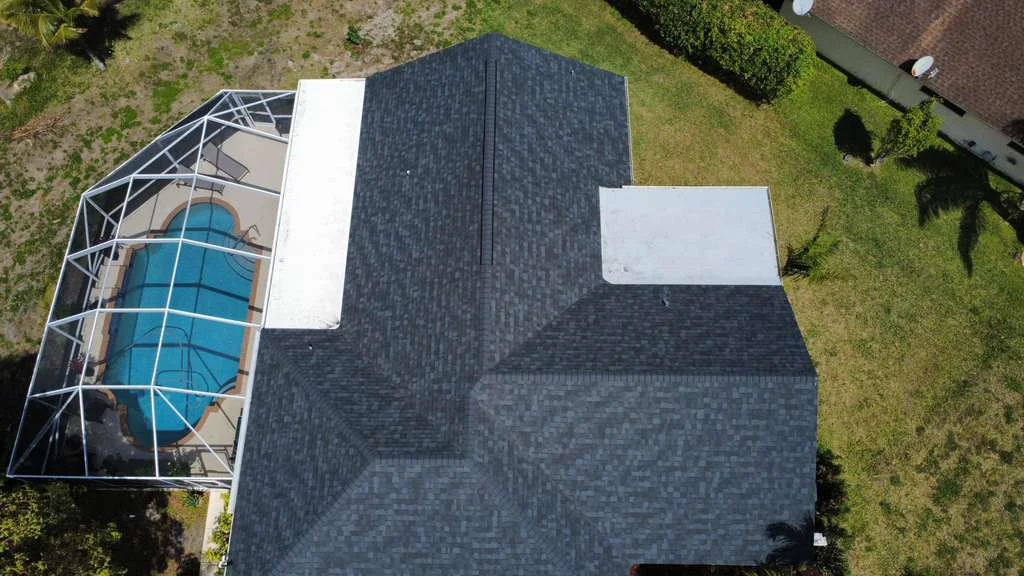
- Keep both feet on the ground: The National Roofing Contractors Association (NRCA) advises that homeowners only inspect roofs from ground level, because the risk of falling is too great without proper safety systems. Binoculars help you look closely.
- Check the exterior: Look at eaves, fascia, gutters, and chimney flashings for wear or sagging.
- Inspect the attic safely: From a stable floor, use a flashlight in daylight to look for light coming through the roof deck, water stains on rafters, or damp insulation.
- Act quickly on moisture: The U.S. Environmental Protection Agency (EPA) notes that drying water-damaged materials within 24 to 48 hours generally prevents mold growth.
Planning Your Roof Replacement
If an inspection shows replacement is the practical path, look at the whole roofing system, not just the surface layer. A well-planned system typically includes:
- Underlayment: An added water barrier above the wood deck.
- Ice and water protection: Extra protection in valleys and at eaves, which matters most in colder markets such as Pennsylvania and New Jersey.
- Proper attic ventilation: Balanced airflow to manage heat and humidity.
- Wind-rated flashing and fastening: Details suited to local weather and code.
Maze Roofing’s roof replacement and installation service covers residential and commercial properties and starts with an inspection and a written estimate.
Frequently Asked Questions
How do I know if my roof needs a total replacement or just a repair?
Look at the scope of the damage. If the issue is confined to a small area, such as a few shingles blown off in a windstorm, a localized repair is often reasonable. If you see widespread granule loss, curling shingles, soft spots, or leaks in multiple rooms, replacement is usually the safer long-term choice.
Can a roof past its typical lifespan still be in good condition?
Yes. A well-maintained roof with good ventilation can outlast typical expectations. Age is a guideline, and the physical condition of the materials determines whether replacement is needed.
Is it safe to climb up and inspect my own roof?
No. Falls from roofs and ladders are a serious injury risk. Homeowners should perform visual checks from the ground, ideally with binoculars, or look for signs from inside the attic. Leave close-up roof work to licensed professionals with proper fall protection.
What should I do if I notice my roof is sagging?
A sagging roofline can point to decking or framing problems. Avoid spending time in the attic beneath the sagging area and contact a qualified roofing contractor or structural engineer promptly for a safety evaluation.
Get an Honest Roof Assessment
Don’t wait for the next major storm to test an aging roof. Maze Roofing provides honest roof evaluations for residential and commercial property owners across South Florida, Tampa Bay, Southwest Florida, Greater Philadelphia, and South Jersey. Schedule your free roof inspection to find out where your roof stands.